
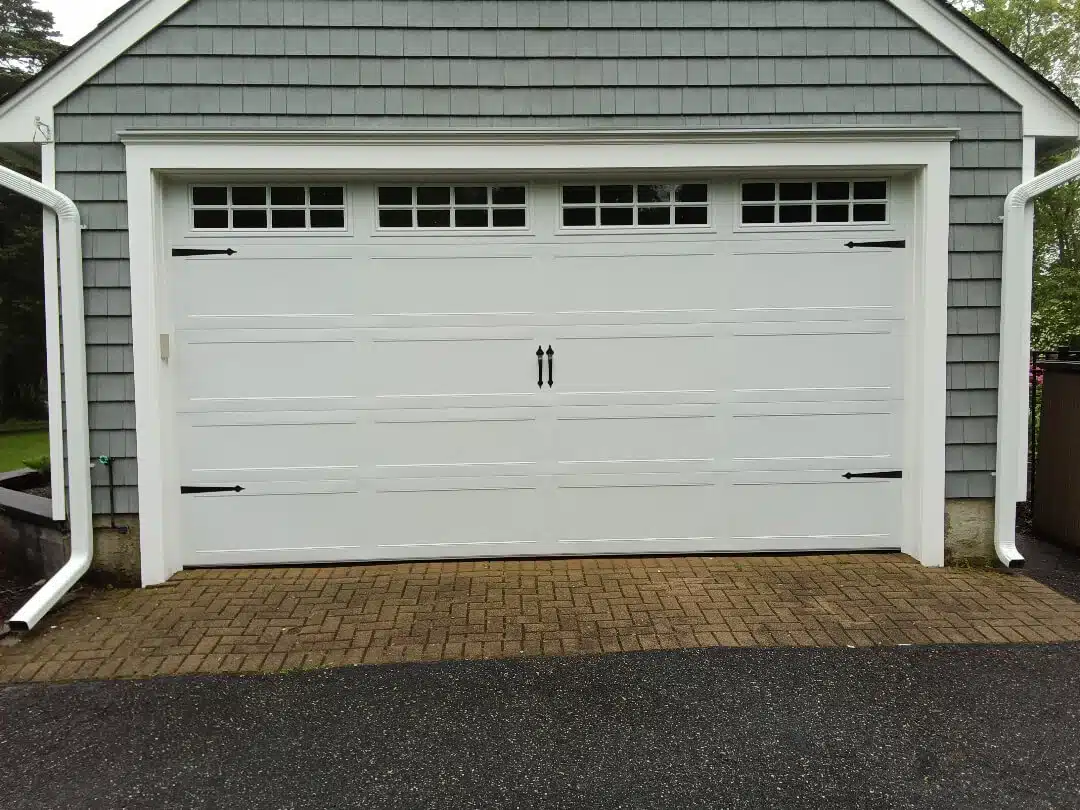
If a commercial overhead door or rolling door will not open after pulling the emergency release, the most common causes are a broken torsion spring, loose or slipped cables, track misalignment, or a problem with the operator system. Once the opener is disconnected, the full weight of the door is no longer assisted by the motor. Any hidden mechanical issue becomes immediately noticeable.
In commercial properties across Pflugerville, TX, especially warehouses, auto shops, storage facilities, and distribution centers, overhead doors and rolling door systems operate multiple times per day. High-cycle usage, Texas heat, humidity, and occasional storm-related power outages all increase wear on critical components.
Before attempting to lift the door manually, it is important to understand that most commercial overhead doors and rolling door systems weigh several hundred pounds. If something feels wrong, forcing the door can lead to serious injury or costly damage.
Below are the most common reasons a commercial overhead door or rolling door will not open after emergency release, what to check, and how to reduce the chances of it happening again.
The Torsion Spring Is Broken
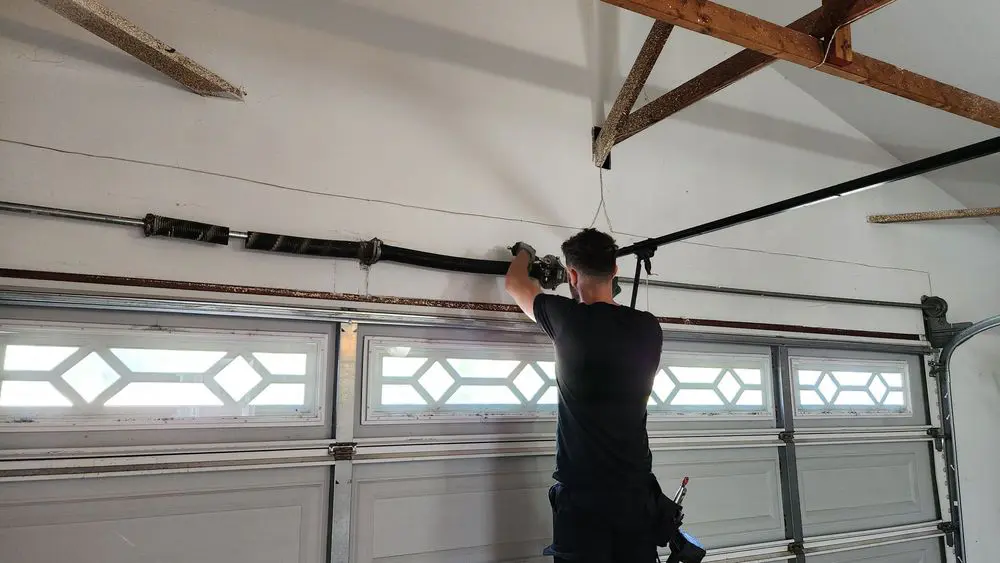
A broken torsion spring is the number one reason a commercial overhead door will not open in manual mode.
Why This Happens
Torsion springs are mounted above the door and are designed to counterbalance its weight. When the commercial door opener is engaged, the motor assists movement. After pulling the emergency release cord, the opener disengages, and the springs must carry the full load.
If a spring is broken or severely weakened, the door will feel extremely heavy or may not move at all.
What to Check
- A visible gap in the spring coil
- A loud bang was heard before the door stopped working
- The door feels unusually heavy
- The door slams shut when lifted slightly
Prevention Tips
- Schedule annual spring inspections
- Upgrade to high-cycle springs for busy facilities
- Lubricate springs as part of routine maintenance
In high-traffic industrial areas of Pflugerville, especially near SH-130 and growing distribution zones, high-cycle doors experience accelerated wear. Preventive inspections can help avoid sudden downtime.
Average repair range: Commercial torsion spring replacement typically falls within a mid-to-high three-figure range, depending on door size and spring type.
Spring repairs should never be attempted without proper training. Torsion systems are under extreme tension.
For a step-by-step safety overview, read How to Use the Emergency Release on a Commercial Overhead Door Safely to better understand proper handling and prevent further damage.
The Door Is Out of Balance
Even if the spring is not completely broken, poor balance can prevent manual lifting.
Why Balance Matters
A properly balanced sectional overhead door should stay in place when lifted halfway. If it drifts downward or shoots upward, tension is incorrect.
Often, the operator motor compensates for weak springs. Once disconnected, that imbalance becomes obvious.
What to Check
- Does the door stay halfway open?
- Does it slam shut?
- Does it rise unevenly?
Prevention Tips
- Perform periodic balance testing
- Schedule professional tension adjustments
- Inspect high-cycle doors quarterly
Commercial doors in Texas climate conditions expand and contract with temperature shifts. Over time, this affects spring tension and overall balance.
Lift Cables Slipped or Came Off the Drum
Lift cables work with the torsion system to raise and lower the door evenly. When cables slip off the drum or fray, the door may not open or may hang crooked.
Warning Signs
- One side of the door is lower than the other
- Frayed or loose cables
- The door appears tilted
- Grinding or scraping sounds
Cable issues are common in both sectional overhead doors and rolling steel doors, especially in facilities with frequent open-and-close cycles.
Why This Is Dangerous
If one cable fails completely, the door can drop unexpectedly. This is a serious safety hazard.
Prevention Tips
- Conduct monthly visual cable checks
- Replace worn cables early
- Keep drums clean and aligned
In busy Pflugerville warehouses with forklift activity, vibration, and impact can gradually loosen cable systems.
Average repair range: Cable repairs typically fall within a moderate three-figure range, depending on system complexity.
To better understand proper timing and safety considerations, read When Should You Use the Emergency Release on a Commercial Overhead Door? before disengaging the system unnecessarily.
The Door Went Off Track
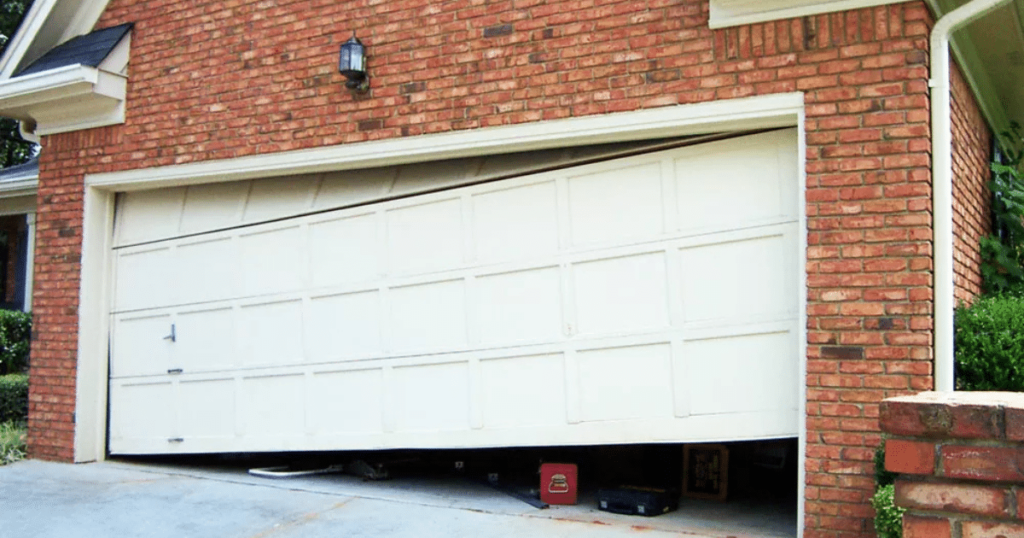
A door that is off track will not move properly in manual mode.
Common Causes
- Forklift impact
- Bent tracks
- Loose mounting brackets
- Worn rollers
Industrial facilities often experience minor collisions that bend track rails just enough to prevent smooth operation.
What to Look For
- Rollers outside the track
- Gaps between roller and rail
- Visible track bends
- Grinding noises during movement
Prevention Tips
- Install bollards near door openings
- Inspect track alignment quarterly
- Replace worn rollers promptly
Track alignment is critical for the smooth operation of any commercial overhead door.
For more insight into potential risks, read Can Using the Emergency Release Damage a Commercial Overhead Door? to understand how improper handling can impact the entire system.
The Emergency Release Was Not Fully Disengaged
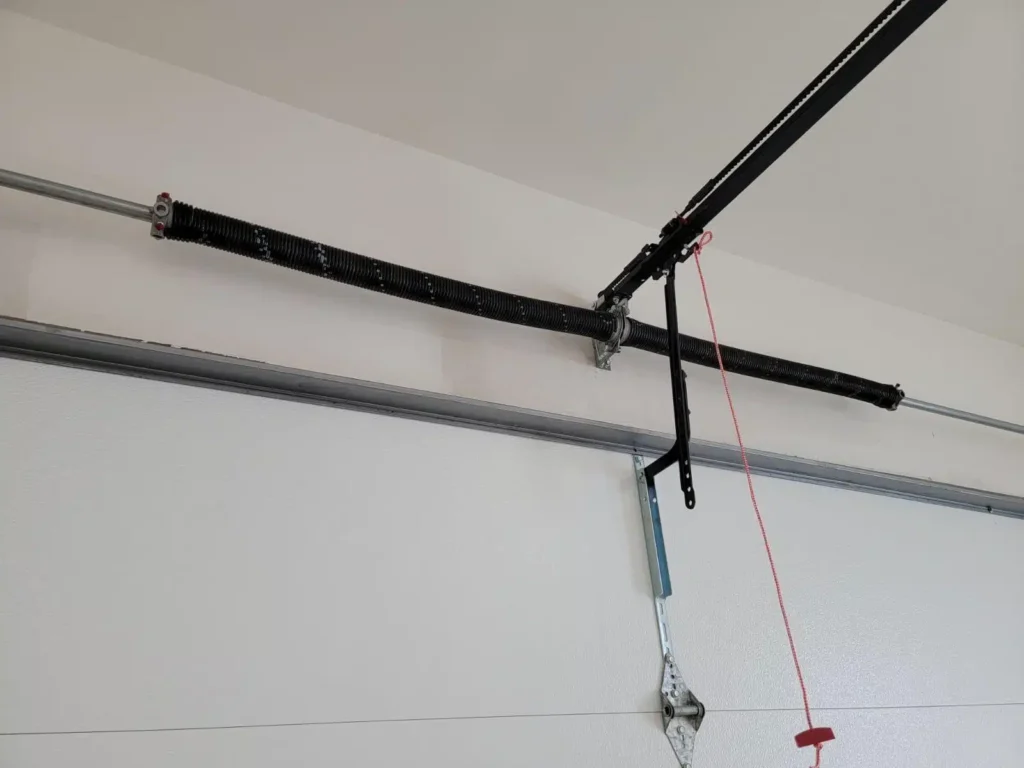
Sometimes the issue is not mechanical failure but incomplete disengagement.
How It Works
The emergency release cord disconnects the trolley from the operator carriage. If the release mechanism does not fully separate, the door may resist movement.
What to Check
- Is the trolley visibly disconnected?
- Is the red release cord hanging straight down?
- Does the door feel partially stuck?
Never force the door if resistance is felt. Forcing the system can damage internal gears or bend rails.
Operator Motor or Electrical Issue
If the door worked before a power outage and now fails to operate correctly, the operator system may be affected.
Possible Causes
- Burned capacitor
- Damaged limit switch
- Power surge from Texas storms
- Worn internal gears
In Central Texas, storm-related outages sometimes cause electrical fluctuations that impact older commercial door opener systems.
What to Check
- Does the motor hum but not move?
- Are limits incorrectly set?
- Does the system fail to re-engage after manual mode?
Electrical components require professional diagnostics.
Average repair range: Operator repairs vary widely but often fall within mid three-figure to low four-figure ranges, depending on motor type.
A Manual Lock or Security Feature Is Engaged
Many commercial doors include built-in locking systems.
Check for:
- Slide bolts
- Padlocks
- Chain hoist interference, Fire-rated door drop mechanisms
Some fire-rated door systems are designed to automatically close during emergencies. If triggered, they may require resetting before reopening.
Always verify that no manual lock is engaged before assuming mechanical failure.
Climate Effects in Pflugerville, TX
Texas heat and humidity directly affect commercial overhead door systems.
Local Environmental Factors
- Extreme summer temperatures cause metal expansion
- Humidity affects spring tension
- Dust accumulation in industrial areas
- Rapid development increases high-cycle usage
Businesses near major growth corridors in Pflugerville keep their doors open frequently throughout the day. Over time, environmental stress accelerates wear.
Prevention Tips
- Schedule quarterly inspections in hot climates
- Replace weather seals annually
- Lubricate moving parts regularly
Climate-aware maintenance reduces emergency release complications.
The Door Is Simply Too Heavy to Lift Safely
A commercial overhead door, especially a sectional overhead door, can weigh between 400 and 1,000+ pounds, depending on size, insulation, and material construction.
When springs or cables are compromised, lifting a sectional overhead door becomes unsafe because the counterbalance system is no longer supporting the door’s weight.
Safety Reminder
- Never lift alone
- Never stand under a partially raised door
- Stop immediately if the door feels unstable
Attempting to manually lift a heavy commercial door without proper counterbalance can result in injury.
When to Call a Commercial Door Professional in Pflugerville, TX
Professional service is recommended if:
- The door slams shut
- A spring has a visible gap
- Cables are off the drum
- The door is crooked
- Loud snapping sounds occur
- The door feels extremely heavy
- A fire-rated door fails to reset or close properly after activation
Commercial overhead door and fire-rated door systems require specialized tools, proper tension calibration, and code-compliant adjustments. Attempting major repairs without the correct equipment increases liability and serious safety risks.
Prompt service helps prevent downtime, OSHA concerns, failed fire inspections, and further structural damage.
Preventing Downtime After Emergency Release Activation
When a commercial overhead door or high-speed door will not open after emergency release, the problem is usually mechanical, not electrical. Broken torsion springs, loose cables, poor balance, or track issues are the most common causes.
In growing commercial areas like Pflugerville, TX, high-cycle usage and Texas climate conditions accelerate wear, especially for facilities operating a high-speed door multiple times per hour. Routine maintenance, balance testing, and early component replacement significantly reduce unexpected downtime.
Most importantly, safety should always come first. If the door feels heavy, uneven, or unstable, a professional evaluation is the safest next step.
Trusted Commercial Overhead Door Experts in Pflugerville, TX
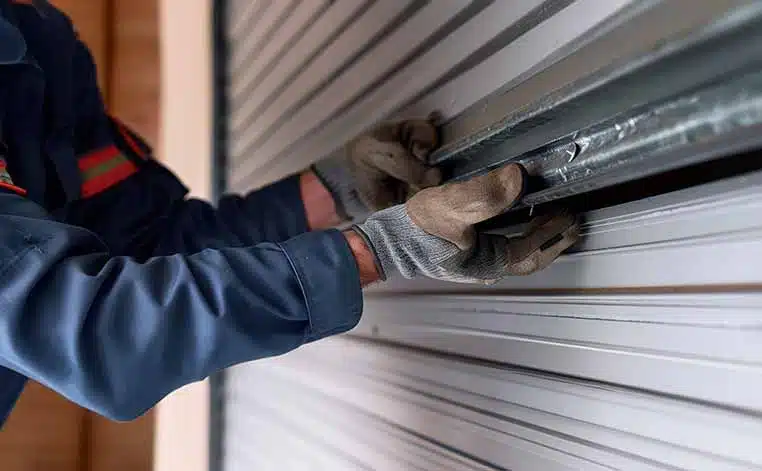
For businesses in Pflugerville, TX, R&S Overhead Garage Door of Texas, Inc. is known for providing dependable commercial overhead door inspections, maintenance, and repairs. With extensive experience handling high-cycle industrial doors, torsion spring systems, rolling steel doors, and fire-rated assemblies, their team understands the demands of Central Texas facilities. If a door issue is affecting safety or operations, contact us today or give us a call to schedule a professional evaluation and keep your business running smoothly.