
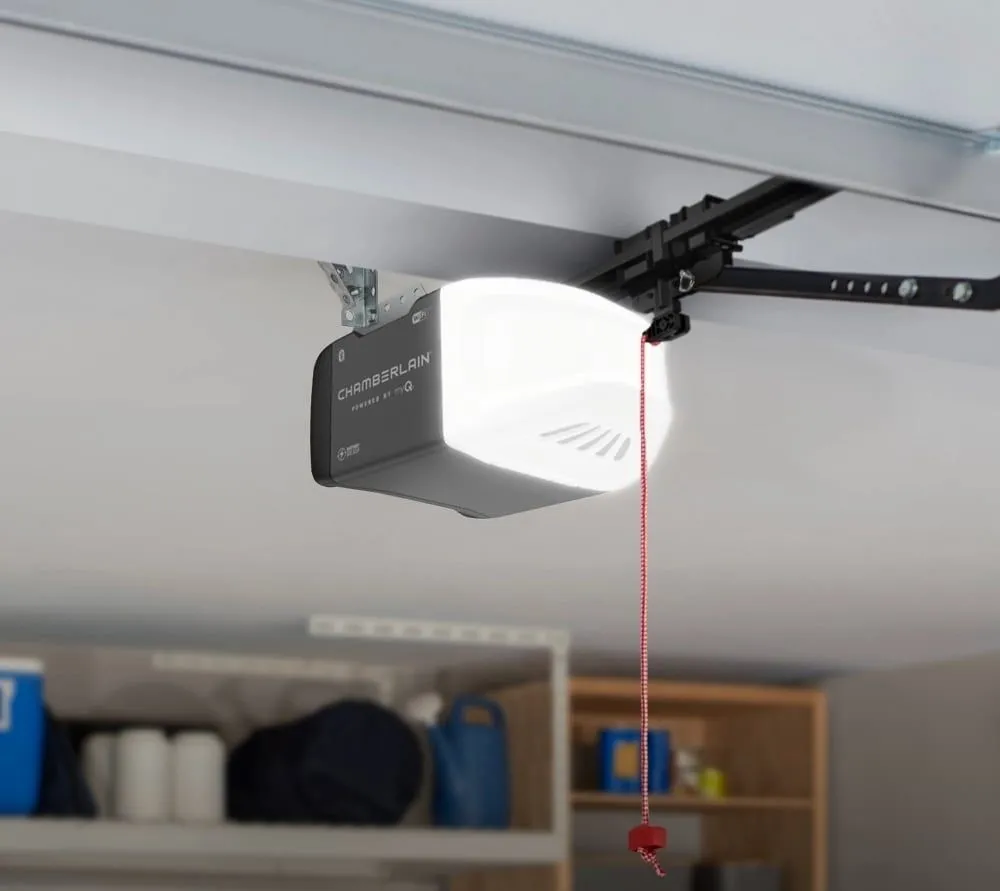
Commercial doors, including a rolling door, are built for strength, security, and daily heavy use. In warehouses, auto shops, storage facilities, and retail spaces across Pflugerville, TX, these systems operate multiple times a day. Because of their weight and tension-driven components, they must be handled properly, especially when using the emergency release.
The emergency release on a commercial overhead door or rolling door is designed for true emergency situations. It allows the door to disconnect from the automatic operator so it can be operated manually. This feature is critical during power outages, fire emergencies, or mechanical failures. However, it should never be used casually or without understanding the condition of the door.
In simple terms:
The emergency release should only be used when power is out, the operator fails, or immediate manual access is necessary, and only when the door is in a safe condition.
7 Situations When You Should Use the Emergency Release on a Commercial Overhead Door
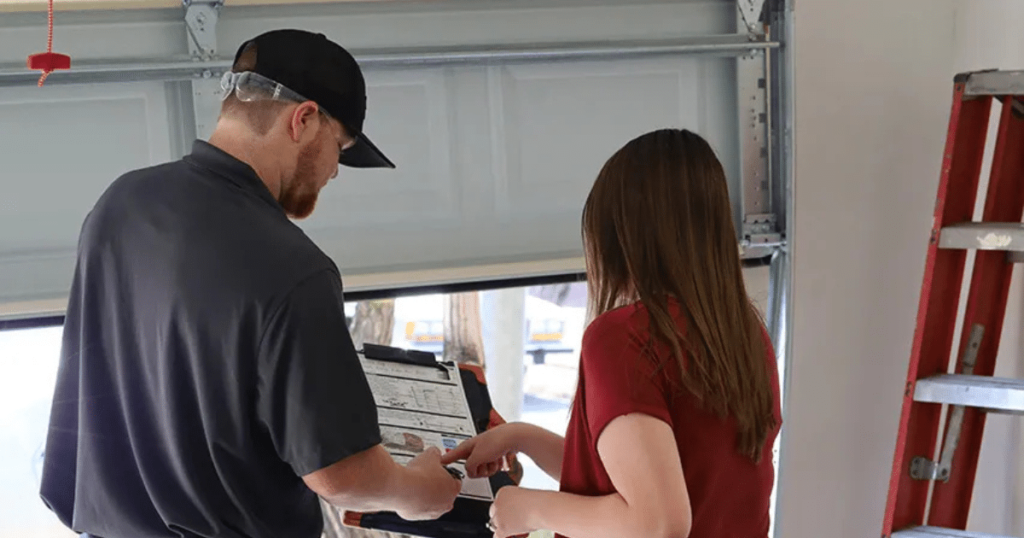
1. During a Power Outage in Pflugerville, TX
Texas storms and grid interruptions can cause unexpected power loss. When electricity is unavailable, a commercial door operator cannot lift or lower the door automatically.
In this case, using the emergency release allows manual operation so deliveries, equipment movement, or business operations can continue temporarily.
Before pulling the release cord:
- Confirm the door is fully closed.
- Make sure no one is standing beneath it.
- Check for visible spring or cable damage.
Commercial overhead door systems are heavy. If the torsion springs are not properly balanced, the door may feel extremely heavy or drop suddenly.
2. If the Commercial Door Operator Malfunctions
A door operator can fail due to worn gears, motor burnout, electrical issues, or sensor problems. Signs of operator malfunction include:
- Grinding or humming noises
- The door is not responding to the wall switch
- Jerky or uneven movement
- Door reversing unexpectedly
When the operator stops functioning, and the door must be moved immediately, the emergency release can disengage the motor from the overhead door system.
However, this should only be done after confirming there are no broken springs or frayed cables. Disconnecting the operator does not fix mechanical damage.
3. During a Fire or Immediate Safety Emergency
In an emergency such as a fire, quick exit access is critical. Some commercial properties in Pflugerville use fire-rated commercial doors designed to compartmentalize flames and smoke.
If the automatic system fails during an emergency, the release mechanism allows manual operation to secure or open the door quickly.
OSHA safety standards emphasize unobstructed exits and functional emergency systems. The emergency release supports compliance, but only if used correctly and safely.
4. When the Door Is Stuck in the Open Position
A commercial overhead door stuck open creates serious security risks:
- Theft exposure
- Weather damage
- Inventory loss
- Business interruption
If the operator will not close the door and immediate closure is required, disengaging the motor may allow manual lowering.
Before doing so:
- Inspect tracks for bending.
- Look for loose cables.
- Check if the door appears crooked.
If the door is off-balance, manual lowering can cause a sudden descent. Safety must always come first.
5. When Immediate Closure Is Required After Minor Track Issues
Sometimes minor track obstructions, such as debris buildup or light misalignment, can prevent smooth operation. In certain situations, manual operation may be temporarily necessary.
However, if the door is significantly off-track or sections are bent, the emergency release should not be used. Structural damage increases the risk of collapse.
Emergency release is a temporary solution, not a mechanical repair.
6. During Preventive Maintenance Inspections
Professional technicians routinely disengage the operator during scheduled inspections. This allows testing of:
- Door balance
- Torsion spring tension
- Roller condition
- Cable alignment
- Track stability
Routine preventive maintenance reduces wear and extends the life of the commercial overhead door system. In Pflugerville’s heat and dust conditions, regular inspection is especially important.
Proper maintenance typically keeps average repair costs moderate and prevents major failures.
7. When Temporary Manual Operation Is Necessary
In busy commercial facilities, loading schedules may not allow long downtime. If the operator fails temporarily but the door remains structurally sound, manual lifting may be required.
Before manual operation:
- Confirm springs are intact.
- Check cables for fraying.
- Ensure the door feels balanced when slightly lifted.
If the door feels unusually heavy, stop immediately and seek professional evaluation.
For step-by-step safety guidance, review the blog How to Use the Emergency Release on a Commercial Overhead Door Safely to better understand proper handling procedures.
When You Should NOT Use the Emergency Release
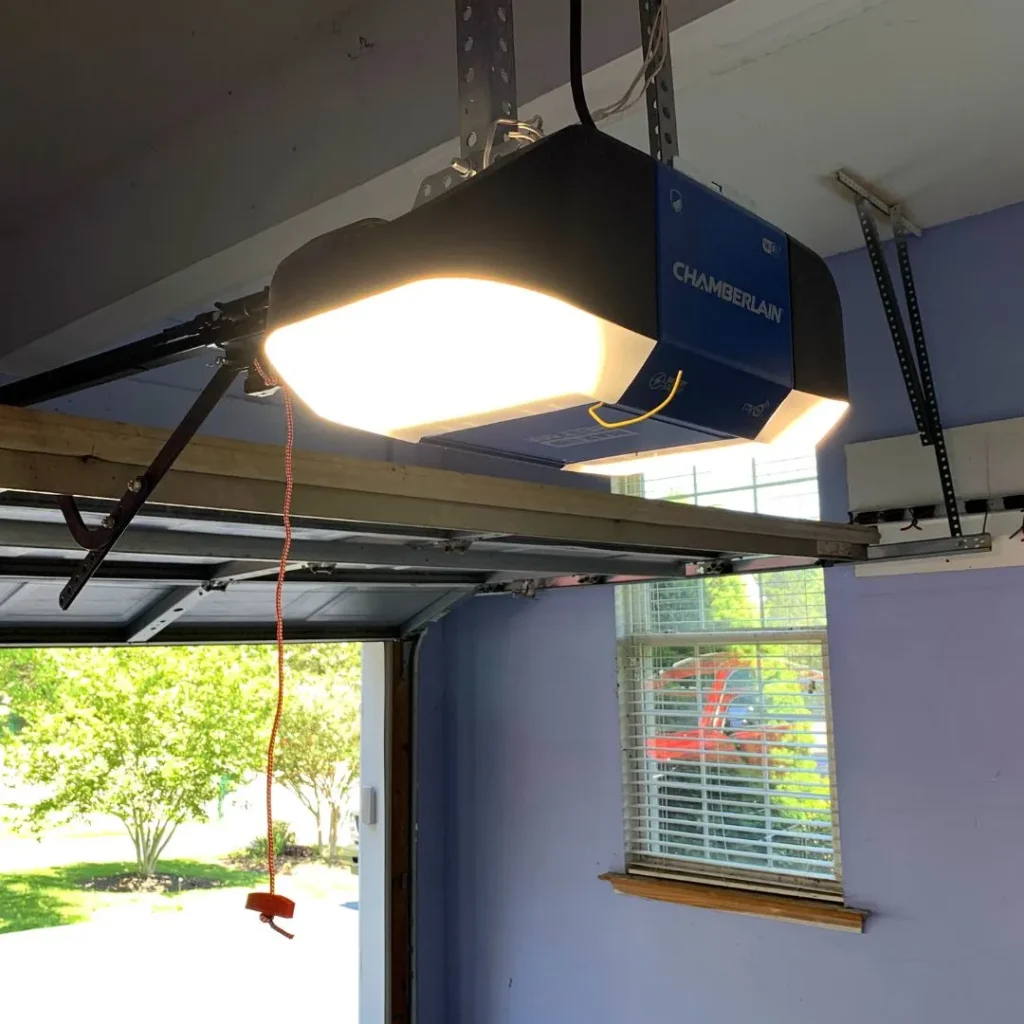
Knowing when not to use the emergency release is equally important.
Broken Torsion or Extension Springs
Springs counterbalance the weight of the commercial door. If a spring is broken:
- The door may slam shut.
- The door may feel extremely heavy.
- Serious injury can occur.
Emergency release should never be used when a spring failure is suspected.
Frayed or Snapped Cables
Lift cables support even movement. If a cable snaps:
- The door may hang unevenly.
- One side may drop suddenly.
- Tracks may bend under stress.
Manual operation in this condition is unsafe.
When the Door Is Partially Open
Pulling the emergency release while the door is open can cause a rapid descent if balance is compromised.
Always ensure the door is fully closed before disengaging the operator.
When Door Condition Is Unknown
If there is uncertainty about internal components, professional inspection is recommended before using the release.
For deeper insight into possible causes, read Why Won’t a Commercial Overhead Door Open After Emergency Release? to understand what may be preventing proper operation.
Safety Checklist Before Pulling the Emergency Release Cord
This quick checklist helps reduce risk:
- Confirm the door is fully closed.
- Clear all personnel from the area.
- Inspect springs for visible gaps or separation.
- Check cables for fraying or slack.
- Look for bent tracks or damaged rollers.
- Lift evenly with both hands.
- Never stand directly underneath the door.
Commercial doors are industrial systems. Even small mechanical issues can escalate quickly.
To understand the potential risks in more detail, read Can Using the Emergency Release Damage a Commercial Overhead Door? for a deeper explanation of what can go wrong.
Common Problems Caused by Misusing the Emergency Release
Improper use can lead to:
- Operator gear damage
- Door slamming shut
- Track misalignment
- Sensor calibration issues
- Spring imbalance
While average repair costs are generally moderate when addressed early, damage can become extensive if the system is forced repeatedly.
Business downtime in Pflugerville facilities can be more costly than the repair itself.
How to Reduce the Need for Emergency Release
Prevention minimizes risk and operational interruptions.
Schedule Routine Inspections
High heat, dust, and humidity in Texas accelerate wear on metal components. Regular service checks identify early signs of stress.
Maintain Proper Lubrication
Rollers, hinges, and springs require lubrication to prevent friction buildup.
Test Backup Power Systems
Some commercial properties install battery backups to prevent operational interruptions during outages.
Train Employees on Proper Use
Employees should understand that the emergency release is not a daily operating feature. Clear safety protocols reduce misuse.
What to Expect After Using the Emergency Release
After manual operation, the operator must be re-engaged properly. Whether operating a standard system or a sectional overhead door, the door should move smoothly and evenly once reconnected.
If the door:
- Feels heavy
- Moves unevenly
- Produces loud snapping sounds
- Drifts downward
Professional inspection is recommended before continued use.
When to Call a Commercial Overhead Door Professional in Pflugerville, TX
Service should be scheduled if:
- Springs appear stretched or broken
- Cables are frayed or loose
- The door slams shut
- The operator makes grinding noises
- The door drifts after manual lifting
These warning signs apply to any commercial overhead door system, including a fire-rated door, where proper function is especially critical for building safety and code compliance.
Commercial overhead door systems require specialized tools and training. Attempting major adjustments without expertise increases liability risk and safety hazards.
When Emergency Release Use Is Appropriate for Commercial Doors
The emergency release on a commercial overhead door or high-speed door should only be used during true emergencies, such as power outages, operator failure, fire situations, or when immediate manual access is required. It should never be used if springs, cables, or structural components are damaged. Proper inspection before disengaging the operator protects both employees and property.
In commercial environments throughout Pflugerville, TX, safe operation and preventive maintenance remain the best strategies for minimizing emergency situations and maintaining reliable overhead door performance, whether operating a standard overhead system or a high-speed door.
Reliable Commercial Door Maintenance and Repair in Texas
For businesses that want dependable service and expert support, R&S Overhead Garage Door of Texas, Inc. provides professional commercial door inspections, maintenance, and repair solutions tailored to industrial and retail facilities. With extensive experience handling complex commercial overhead door systems, their team focuses on safety, efficiency, and long-term reliability. Contact us today or give us a call for a professional evaluation and keep your commercial doors operating at peak performance.