
Commercial buildings in Pflugerville, TX, depend on a properly working commercial overhead door every day. Warehouses, auto shops, storage facilities, distribution centers, and properties with rolling doors rely on these heavy-duty systems for security and smooth operations. When the power goes out or the door operator fails, the emergency release becomes a critical safety feature.
However, using the emergency release incorrectly can lead to serious injury, equipment damage, and costly downtime. Commercial overhead doors and rolling door systems are much heavier than residential doors. They operate under high spring tension and require careful handling.
The following guide explains how to use the emergency release safely, what to avoid, and how businesses in Pflugerville can prevent common problems.
What Is the Emergency Release on a Commercial Overhead Door?
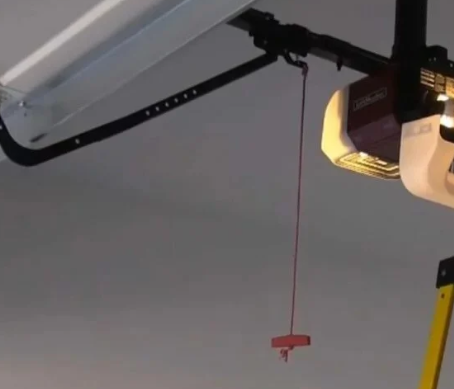
The emergency release is a manual override mechanism that disconnects the door from the motorized door operator. It is usually identified by a red cord hanging from the trolley system.
When pulled, the release allows the commercial overhead door to move manually along the track system. This function is designed for:
- Power outages
- Operator malfunctions
- Emergency evacuation situations
- Fire safety compliance
Unlike residential doors, commercial systems such as rolling steel doors, sectional doors, and high-lift doors are significantly heavier. They rely on torsion springs or counterbalance systems to offset weight. If these components are compromised, pulling the release can be dangerous.
For a deeper understanding of the right situations to activate this feature, read the related guide, When Should You Use the Emergency Release on a Commercial Overhead Door?
7 Safe Steps to Use the Emergency Release on a Commercial Overhead Door
1. Confirm There Is a Real Emergency
The emergency release is not meant for convenience. It should only be used when:
- There is a power outage
- The door operator has failed
- The building must be evacuated
- The door is stuck due to a mechanical issue
In Pflugerville, severe storms and sudden outages can interrupt power unexpectedly. Using the release during these situations is appropriate. Pulling it unnecessarily, however, increases wear on the system and may create safety risks.
For troubleshooting guidance if the door does not operate afterward, see Why Won’t a Commercial Overhead Door Open After Emergency Release?
2. Make Sure the Door Is Fully Closed Before Pulling the release.
This is one of the most important safety rules.
If the commercial overhead door is open or partially open, the full weight of the door may shift when disconnected from the operator. Commercial doors can weigh several hundred pounds, depending on size and material.
If torsion springs or cables are worn, the door can slam down suddenly. Many service calls occur because the release was pulled while the door was mid-cycle.
Before pulling the cord:
- Ensure the door is completely closed.
- Check that it appears level and stable.
- Listen for unusual noises such as grinding or snapping.
If the door looks uneven, do not proceed.
For a deeper look at potential risks and system strain, read Can Using the Emergency Release Damage a Commercial Overhead Door?
3. Clear the Area Around the Door
Commercial environments often have:
- Forklifts
- Delivery trucks
- Pallets and storage racks
- Employees walking nearby
Before using the emergency release, clear the area entirely. Make sure no one is standing under or near the door.
Workplace safety regulations emphasize keeping overhead door zones clear during manual operation. Removing obstructions reduces the risk of injury and property damage.
4. Pull the Emergency Release Cord Firmly and Straight Down
The red emergency release cord disconnects the trolley from the operator rail. Pull it straight down with a firm motion.
It should release smoothly. If resistance is felt or the mechanism jerks violently, stop immediately. Excessive resistance can indicate:
- Trolley misalignment
- Internal operator damage
- Track obstruction
Do not force the mechanism. Forcing it can damage the door operator or create further imbalance.
5. Lift the Commercial Overhead Door Slowly and Evenly
After disconnecting, lift the door manually using steady pressure.
Because commercial overhead doors are heavy, using two people is often safer, especially for larger warehouse doors. Lift from the bottom section evenly to prevent twisting.
Pay attention to how the door feels:
- If it moves smoothly and stays in position, the counterbalance system is likely functioning properly.
- If it feels extremely heavy, the torsion springs may be compromised.
- If one side rises faster than the other, a cable issue may exist.
Stop immediately if the door feels unstable.
6. Secure the Door in the Open Position
Commercial overhead doors can drift downward if the balance system is not functioning correctly.
Once opened:
- Make sure it stays in place without sliding.
- Do not use makeshift props.
- Avoid standing directly beneath the door for extended periods.
If the door slowly lowers on its own, discontinue use and schedule inspection.
7. Reconnect the Door Operator Properly
After power is restored, the door must reconnect to the operator system.
Typically, this involves:
- Restoring power first
- Pulling the release mechanism toward the operator to re-engage
- Running the operator through a full open and close cycle
If the trolley does not reconnect smoothly or the operator runs without moving the door, there may be alignment issues. Repeated attempts without inspection can cause operator damage.
When NOT to Use the Emergency Release
There are situations where pulling the emergency release can make conditions worse.
Avoid using it if:
- A torsion spring is broken
- A garage door cable is snapped
- The door is hanging unevenly
- The door is partially open
- Loud popping or grinding noises are present
When springs or cables fail, the door loses its counterbalance. Disconnecting the operator removes controlled support and may allow the door to drop suddenly.
In these cases, professional evaluation is necessary before any manual operation.
Common Problems After Using the Emergency Release
Even when used properly, issues can occur.
Door Will Not Reconnect
The trolley may not align correctly with the operator carriage. This is common after manual lifting.
Door Feels Heavier Than Before
This may indicate spring fatigue or cable wear that was not previously noticeable.
Door Does Not Stay Closed
A drifting door suggests counterbalance issues.
Operator Runs, but Door Does Not Move
The emergency release may not have fully re-engaged.
Average Repair Considerations
Repairs after improper emergency release use can vary:
- Minor reset or alignment adjustments are typically low in cost.
- Spring or cable repairs fall into a moderate average cost range.
- Operator replacement or structural damage generally has a higher average cost.
Addressing small issues early prevents more extensive repairs later.
How to Avoid Emergency Release Problems in Pflugerville, TX
Preventive maintenance reduces emergency situations.
Schedule Annual Commercial Door Inspections
Pflugerville experiences high summer heat and occasional severe weather. Extreme temperatures can affect metal expansion and spring tension.
Annual inspections help detect early wear in:
- Springs
- Cables
- Rollers
- Tracks
- Door operators
Test Door Balance Periodically
A properly balanced commercial overhead door should stay in place when lifted halfway manually. If it drifts up or down, tension adjustments may be needed.
Keep Tracks Clean
Dust and debris are common in Central Texas. Dirty tracks increase strain on the system.
Cleaning tracks and checking for alignment helps reduce friction and operator stress.
Inspect the Emergency Release Mechanism
Check the red cord periodically:
- Ensure it is not frayed.
- Confirm it moves freely.
- Verify it re-engages smoothly.
Ignoring a worn release cord can create problems during an actual emergency.
Train Employees on Proper Use
Commercial buildings often have multiple staff members accessing overhead doors. Clear instructions during safety meetings can prevent panic use.
Training should include:
- When to use the release
- When not to use it
- Who to contact if the door appears damaged
Safety Risks Business Owners Should Take Seriously
Commercial overhead doors, including rolling doors, sectional overhead doors, fire rated doors, and high speed doors, are industrial systems.
Improper handling can lead to:
- Workplace injuries
- OSHA violations
- Equipment damage
- Insurance complications
- Business downtime
Because these doors are heavy and tension-driven, even a small mechanical issue can escalate quickly. Safety protocols protect both employees and property.
When to Call a Commercial Overhead Door Professional in Pflugerville, TX
Professional evaluation should be scheduled if:
- The door slams shut
- Springs appear stretched or broken
- Cables are frayed or loose
- The door feels unusually heavy
- The operator makes grinding noises
- The door drifts downward after manual lifting
These warning signs apply to all commercial systems, including rolling doors, sectional overhead doors, and fire rated doors, where safety compliance is especially critical.
Commercial overhead doors require specialized tools and training. Attempting major adjustments without proper expertise increases injury risk.
How Preventive Maintenance Reduces Emergency Release Risks
The emergency release on a commercial overhead door, including rolling doors and sectional overhead doors, is a vital safety feature. It is designed for true emergencies, not routine operation.
Because commercial systems are heavy and tension-driven, proper handling is critical. Confirm the door is fully closed, clear the area, lift evenly, and avoid use if mechanical damage is suspected.
In Pflugerville, TX, preventive maintenance remains the most effective way to avoid emergency situations. Regular inspections, employee training, and early issue detection keep commercial overhead doors operating safely and reliably.
Trusted Commercial Overhead Door Experts in Pflugerville, TX
For businesses that want dependable performance and expert-level care, R&S Overhead Garage Door of Texas, Inc. provides professional commercial door inspections, maintenance programs, and safety evaluations tailored to Texas conditions. Contact us today or give us a call to ensure safe operation and long-term reliability for your facility.