
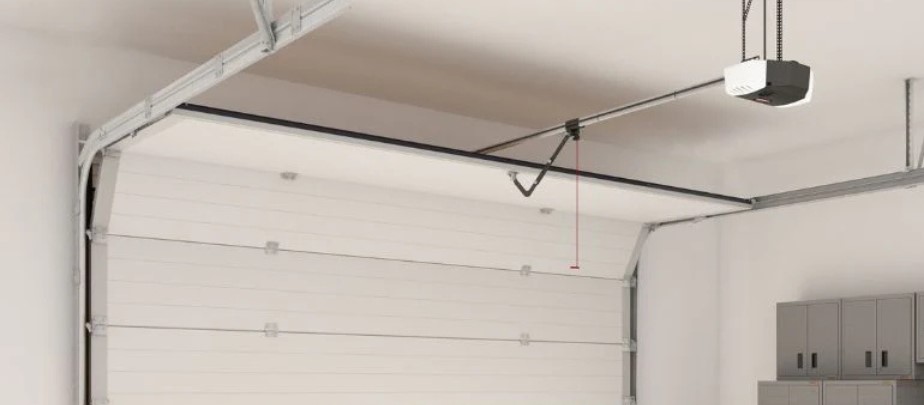
Power outages and operator failures happen without warning. When they do, the emergency release cord on a commercial overhead door or rolling door becomes the fastest way to regain access. It is designed as a safety feature.
However, many business owners in Pflugerville, TX ask an important question:
Can using the emergency release damage a commercial overhead door?
The clear answer is: The emergency release itself does not cause damage, but using it when the door has hidden mechanical issues can lead to serious problems.
Understanding how the system works, what to check first, and when to stop can prevent costly repairs and workplace injuries. This guide explains everything in simple terms while applying real-world commercial door expertise.
What the Emergency Release Actually Does
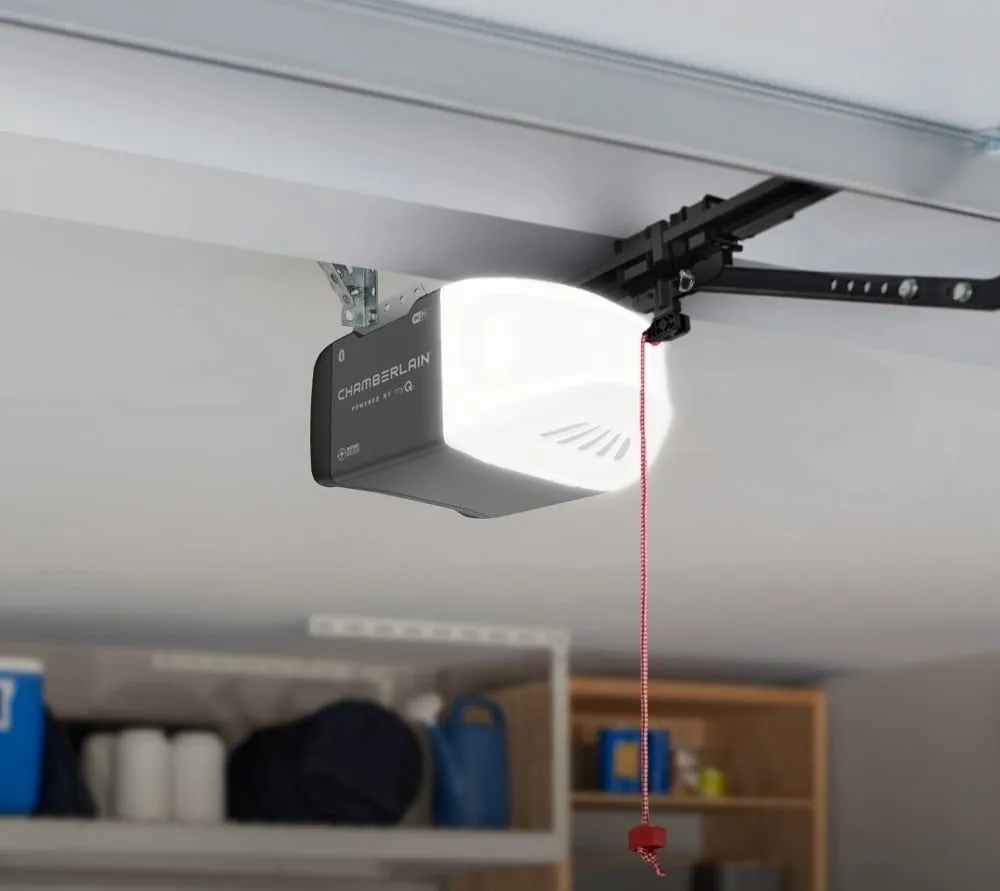
The emergency release disconnects the door from the automatic opener. Once pulled, the motor no longer controls the door. The door must then be lifted and lowered manually.
This feature is standard on most commercial overhead door systems, including:
- Sectional overhead doors
- Rolling steel doors
- Insulated warehouse doors
- High-cycle loading dock doors
The opener’s job is to guide the door. The torsion spring system carries most of the weight. When springs are properly balanced, the door should feel controlled and stable in manual mode.
If the door suddenly feels extremely heavy after pulling the release, that is a warning sign, not normal behavior.
For step-by-step safety guidance, read the related article How to Use the Emergency Release on a Commercial Overhead Door Safely.
When Using the Emergency Release Is Safe
Using the emergency release is safe under the right conditions.
A properly functioning commercial overhead door should:
- Move smoothly along the tracks
- Stay in place when lifted halfway
- Feel balanced, not overly heavy
- Open without jerking or slamming
In a healthy system, the springs counterbalance hundreds of pounds of door weight. The opener assists but does not carry the full load.
Many facilities in Pflugerville operate doors dozens of times per day. With proper maintenance, disengaging the opener during a power outage should not cause any damage.
For more detailed timing guidance, review the article When Should You Use the Emergency Release on a Commercial Overhead Door?
When Using the Emergency Release Can Cause Damage
Problems occur when the door already has a mechanical failure.
Disconnecting the opener removes the last layer of support. If springs, cables, or hardware are compromised, the full weight of the door shifts instantly.
Common risk factors include:
- Broken torsion springs
- Loose or frayed lift cables
- Rusted spring coils
- Bent vertical or horizontal tracks
- Worn rollers
- Uneven door balance
In Central Texas, extreme summer heat and humidity speed up metal fatigue. Expansion and contraction weaken older components over time. A door may appear to function normally with the opener engaged, but fail immediately once disconnected.
When this happens, the door can:
- Slam shut
- Twist or go crooked
- Jump off the track
- Cause panel damage
- Create a serious injury risk
The emergency release did not cause the damage. It exposed an existing mechanical issue.
If the door refuses to move after disengaging the opener, read Why Won’t a Commercial Overhead Door Open After Emergency Release? for deeper insight into common causes.
Warning Signs to Check Before Pulling the Release
A quick visual and sound check takes less than a minute and can prevent major repairs.
Do not pull the emergency release if:
- A spring has a visible gap in the coil
- The door looks crooked
- Cables are loose near the drum
- A loud snapping sound was heard earlier
- The door recently slammed shut
- The opener struggles or strains loudly
These signs often indicate spring system failure.
A commercial overhead door can weigh between 400 and over 1,000 pounds. Without spring tension, that weight becomes fully unsupported.
Why Commercial Doors Slam After the Emergency Release Is Pulled
A slamming door almost always points to a broken torsion spring.
When a spring snaps, the opener may still lift the door temporarily. Once disconnected, gravity takes over immediately.
This is one of the most common emergency service calls in Pflugerville’s warehouse districts. The opener was masking the imbalance. The emergency release revealed it.
A door that slams shut is not safe to operate. Continued use increases structural damage and injury risk.
Can the Emergency Release Damage the Opener?
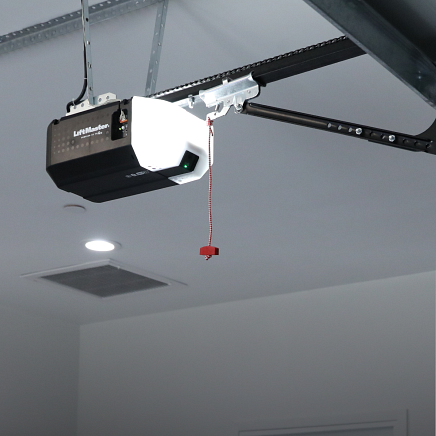
The emergency release mechanism itself does not damage the opener. It is built into the system for safe disengagement.
Damage usually occurs when:
- The opener runs while disconnected
- The door is reconnected improperly
- The opener attempts to lift an unbalanced door
Modern commercial operators include safety sensors and force limits. However, repeated strain from an imbalanced door can burn out the motor or strip internal gears.
If the door feels heavy after reconnecting, the opener should not be used until the balance is professionally checked.
Common Mistakes That Lead to Damage
Several avoidable mistakes increase the risk of emergency release damage:
- Pulling the cord without checking the spring condition
- Attempting to lift a heavy door alone
- Forcing a door that feels stuck
- Ignoring unusual noises
- Re-engaging the opener without testing balance
Commercial doors are engineered systems. Small imbalances can turn into large failures quickly.
How to Perform a Basic Safety Check
A basic inspection does not require technical tools.
Look for:
- Gaps in torsion springs
- Loose or hanging cables
- Bent brackets
- Track obstructions
- Rust buildup
Listen for:
- Loud popping noises
- Grinding sounds
- Sudden jerking movements
If anything appears abnormal, disengaging the opener is not recommended.
This simple check reduces risk and supports workplace safety compliance.
How to Prevent Emergency Release Damage
Preventive maintenance is the most effective solution.
Commercial overhead doors in Pflugerville face:
- High humidity
- Intense summer heat
- Heavy daily usage
- Ongoing commercial development dust
These environmental factors accelerate wear on springs and cables.
Preventive steps include:
- Annual professional inspections
- Spring tension testing
- Cable inspection and lubrication
- Roller replacement when worn
- Operator limit adjustments
- Door balance testing
High-cycle facilities may require inspections every six months.
Routine service costs far less than emergency repairs and reduces downtime. It also protects employees from potential injury.
What to Do If the Door Feels Unsafe After Pulling the Release
If the door:
- Slams shut
- Feels extremely heavy
- Will not stay halfway open
- Moves unevenly
- Comes off track
Stop operating it immediately.
Secure the area. Prevent foot traffic near the opening. Contact a commercial door professional for inspection.
Forcing continued use can result in:
- Panel bending
- Track misalignment
- Opener motor failure
- Increased repair costs
Safety should always take priority over convenience.
Average Repair Cost Ranges
Repair costs for a commercial overhead door or sectional overhead door vary depending on door size, usage level, and damage severity.
Average ranges typically include:
- Torsion spring replacement: mid-hundreds
- Cable replacement: low to mid-hundreds
- Panel replacement: varies based on material and insulation type
- Operator repair: mid to high hundreds
Extensive structural damage to a commercial overhead door or sectional overhead door may increase costs further.
Early detection, routine inspections, and preventive maintenance significantly reduce long-term financial impact and unexpected downtime.
When Professional Service Is Necessary in Pflugerville, TX
Professional inspection is recommended if your commercial overhead door or fire rated door shows any of the following:
- A spring appears broken
- Cables are off the drum
- The door sits unevenly
- The opener strains loudly
- The door suddenly feels heavier than usual
Torsion spring systems on a commercial overhead door or fire rated door require specialized tools and training. Improper adjustments can cause severe injury and may compromise safety compliance.
Businesses in Pflugerville rely on consistent access for daily operations. Prompt professional service helps prevent downtime, OSHA concerns, and additional structural damage.
The Emergency Release Is Safe If the Door System Is Healthy
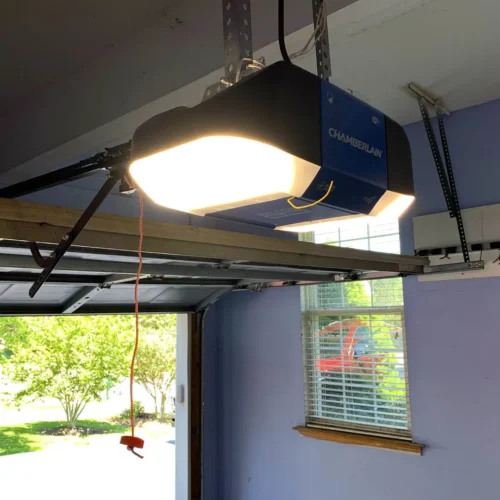
The emergency release is not dangerous on its own. It is a built-in safety feature designed for emergencies on any commercial overhead door, including a high speed door.
However, using it on a damaged or unbalanced commercial overhead door or high speed door can reveal serious mechanical issues and create sudden failure.
In fast-growing areas like Pflugerville, TX, where commercial doors operate frequently, routine maintenance is critical.
The safest approach is simple:
- Inspect first
- Disengage only if safe
- Stop immediately if the door feels unstable
- Schedule professional service when needed
Proper maintenance, careful inspection, and timely repairs protect equipment, reduce downtime, and ensure a safe working environment.
Trusted Commercial Overhead Door Service in Pflugerville, TX
For businesses in Pflugerville, TX seeking dependable commercial door expertise, R&S Overhead Garage Door of Texas, Inc. delivers experienced inspection, maintenance, and repair services tailored to high-cycle commercial overhead door systems. From torsion spring evaluations to full system safety checks, their trained technicians help keep operations running smoothly and safely. Contact us today or give us a call to prevent unexpected failures and protect your facility with confidence.