
A door looks simple from the outside. Push it open, walk through, done. But under that paint or finish, a commercial door and a home door are built very differently. The biggest difference comes down to one thing many Pflugerville property owners never think about: thickness. So how thick are commercial doors compared to the ones on a house, and why does it even matter? Commercial doors are made to handle far more wear than home doors, which is why a reliable commercial door service matters so much for any business. This guide breaks it down in plain language, with tips drawn from years of hands-on door work in the Pflugerville, TX area.
The Quick Answer: How Thick Are Commercial Doors vs Residential Ones?

Here is the short version for anyone in a hurry. How thick are commercial doors? Most commercial swinging doors are 1-3/4 inches thick. Residential interior doors are usually thinner, around 1-3/8 inches, while residential exterior doors often match the commercial standard at 1-3/4 inches.
So the headline takeaway is this. A commercial door is built to the thicker end of the scale almost every time, while home interior doors are lighter and thinner. That gap in commercial door thickness exists for good reasons, and the rest of this guide explains them.
For a deeper breakdown of the numbers, check out the full guide “How Thick Are Commercial Doors? Standard Sizes Explained.“
Standard Commercial Door Thickness Explained
The standard commercial door thickness is 1-3/4 inches for most swinging steel and hollow metal doors. This is the number that shows up again and again on job sites across Pflugerville.
Some heavy-duty or fire-rated units go thicker, but 1-3/4 inches is the workhorse spec. That extra material gives the door room for a stronger core, better hardware reinforcement, and longer life under heavy use. When a building sees hundreds of people walk through every day, the standard commercial door thickness is what keeps the door from sagging, bending, or failing early.
A thicker slab also holds commercial-grade locks and panic bars better. Thin doors simply cannot carry that hardware for long.
Curious how ratings change the spec? Read more in “How Thick Are Commercial Doors When Fire-Rated?“
Standard Residential Door Thickness Explained
Home doors fall into two groups.
- Interior doors: about 1-3/8 inches thick. Think bedroom and closet doors.
- Exterior doors: about 1-3/4 inches thick, the same as many commercial doors.
So a front door at a Pflugerville home and a back door at a local shop can share the same thickness. The real difference shows up inside the slab and in the frame, not always in the measurement alone. Residential doors lean toward comfort, looks, and lower cost. They are not built for the constant pounding a business door takes.
Want to know how the material itself plays in? Take a look at “How Thick Are Commercial Doors Made of Steel?“
Commercial Door Sizes vs Residential Door Sizes
Thickness is only part of the story. Commercial door sizes also tend to run taller than home doors.
Here is how commercial door sizes usually compare to residential ones:
- Height: Commercial doors are often 84 inches (7 feet) tall. Many home doors stop at 80 inches (6 feet 8 inches).
- Width: A common commercial door is 36 inches wide, though wider units exist for carts, equipment, and ADA access.
- Thickness: 1-3/4 inches is the typical commercial spec.
The standard commercial door size that techs reach for most is 36 inches wide, 84 inches tall, and 1-3/4 inches thick. Knowing the standard commercial door size matters because ordering the wrong slab or frame can stall a whole project. Commercial door sizes are not random. They follow building codes and accessibility rules, so guessing is risky.
Commercial Door Dimensions: A Closer Look at the Numbers
Commercial door dimensions cover three things: width, height, and thickness. All three need to match the frame and the local code.
Typical commercial door dimensions look like this:
- Width: 32 to 48 inches, with 36 inches as the go-to size.
- Height: 80 to 96 inches, with 84 inches very common.
- Thickness: 1-3/4 inches as the standard.
When commercial door dimensions are off by even a small amount, the door can stick, rub, or fail to seal. Correct commercial door dimensions also keep weather sealing tight, which lowers energy bills in the hot Pflugerville summers. Always confirm the full set of commercial door dimensions before ordering anything, because a frame built for one size will not accept another.
Why Commercial Doors Are Built Thicker and Tougher
A thicker door is not just for show. Here is why commercial door thickness is built up the way it is:
- Heavy traffic. Business doors open and close all day. The extra commercial door thickness handles that wear.
- Security. A thick steel slab is harder to force open or kick in.
- Fire safety. Many commercial doors are fire-rated. The added commercial door thickness helps slow flames and smoke.
- Hardware support. Panic bars, closers, and commercial locks need a solid slab to anchor into.
- Code rules. Local building codes in Texas often require specific ratings that only a thicker door can meet.
Home doors rarely face all five of these at once. That is why the standard commercial door thickness sits at the higher end.
Materials and Gauge That Change Commercial Door Thickness
The outside skin of a commercial door is usually steel, measured in gauge. A lower gauge number means thicker steel.
- 18 gauge: common for standard commercial doors.
- 16 gauge: heavier duty, used in high-traffic spots.
- 14 gauge: extra tough, for security-heavy areas.
Inside the slab sits a core. The core can be honeycomb, foam, or solid material. The core does not change the outside commercial door thickness much, but it changes weight, insulation, and strength a lot. A foam core keeps heat out, which helps in Pflugerville’s climate. So two doors can share the same commercial door thickness yet feel completely different in the hand.
Signs Something Is Wrong With a Commercial Door (What to Check)
Doors send warning signs before they fail. Catching them early saves a lot of trouble. Here is what to check on any commercial door:
- The door drags or scrapes the floor. This often points to a worn hinge or a slab that has shifted.
- Gaps around the edges. Air leaks waste energy and may signal a bent frame.
- The door slams or will not close fully. A failing closer is usually the cause.
- Rust or dents on the slab. These can spread and weaken the door over time.
- A lock that sticks or feels loose. Hardware pulling away from the slab is a red flag.
Checking these every few months keeps small issues from turning into a full commercial door replacement down the road. A quick look takes minutes. A failed door during business hours costs far more.
Tips to Avoid Common Commercial Door Problems
A little care goes a long way. These simple habits help any business owner protect their investment:
- Keep hinges and tracks clean. Dust and grit speed up wear.
- Tighten loose screws early. Loose hardware leads to sagging.
- Watch the door closer. If a door slams or hangs open, the closer needs attention.
- Confirm sizing before buying. Matching commercial door sizes to the existing frame avoids costly mistakes.
- Schedule a yearly check. A trained local technician can spot trouble that an untrained eye misses.
These steps will not turn anyone into a door tech, and that is fine. The goal is to catch problems early and call a pro before a small fix becomes a big one. A quick inspection by a Pflugerville door specialist often prevents an emergency.
When to Think About Commercial Door Replacement
Sometimes repair is not enough. A commercial door replacement makes sense when:
- The slab is badly bent, rusted through, or cracked.
- The door no longer meets fire or safety codes.
- Repairs keep stacking up and costing more than the door is worth.
- The frame itself is failing, not just the slab.
A commercial door replacement is a bigger job than a simple repair, so it helps to plan ahead. Choosing the right commercial door sizes and confirming the standard commercial door size for the opening keeps the new door working for years. A good technician will measure the full commercial door dimensions before any commercial door replacement begins, so the new unit fits the first time.
What Pflugerville Owners Should Know About Commercial Door Installation
Commercial door installation is more than hanging a slab on hinges. Done right, it includes the frame, the seals, the hardware, and a check against local code.
Here is what matters most for commercial door installation in Pflugerville, TX:
- Permits and code. Texas code can require fire ratings and ADA-friendly hardware.
- Frame fit. The frame must match the exact commercial door dimensions of the slab.
- Weather sealing. Tight seals fight the Pflugerville heat and lower cooling costs.
- Proper hardware. Closers and panic bars must be set correctly for safety.
Hiring a licensed local pro for commercial door installation protects against code violations and early failure. A clean commercial door installation also keeps the warranty valid, since many makers require professional setup. For business owners near downtown Pflugerville, Stone Hill, or the Highway 130 corridor, a local installer who knows the area’s permits and climate is worth the call.
What to Expect on Commercial Door Pricing
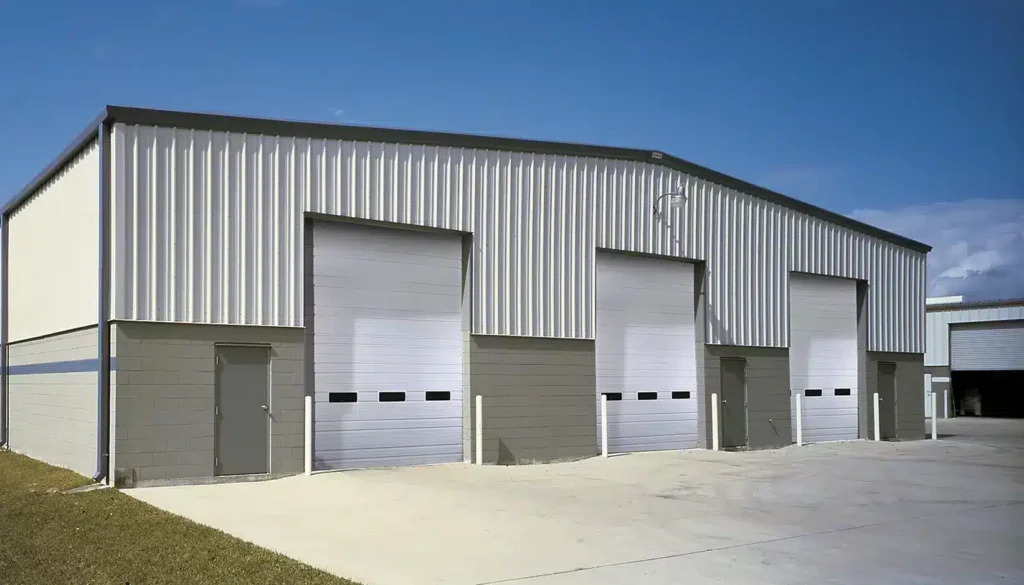
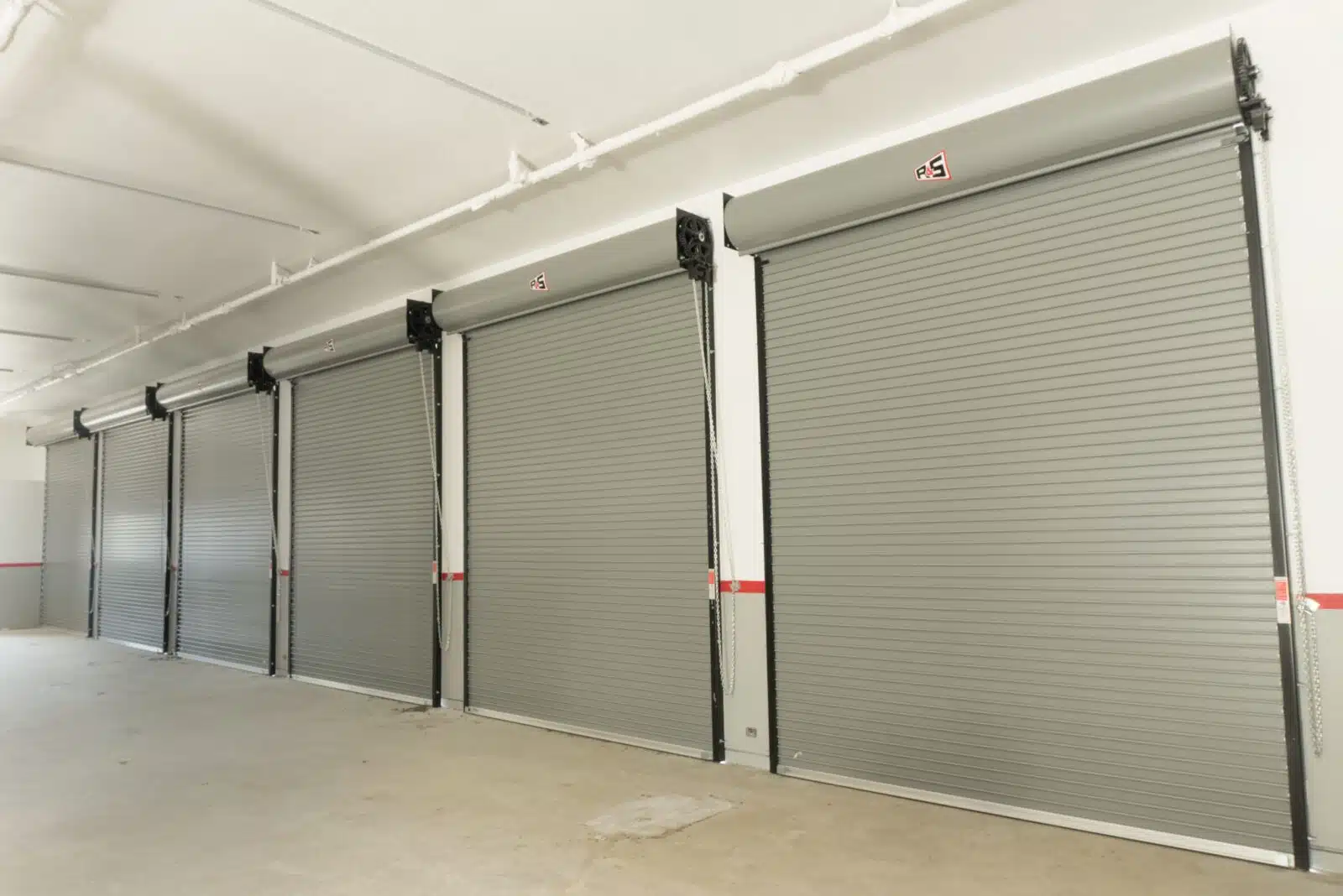
Pricing depends on the door type, the materials, and the labor involved. A basic steel slab swap sits at the lower end of the average cost range. A full commercial door replacement with a new frame, fire rating, and pro commercial door installation lands at the higher end. Fire-rated and security doors cost more because of the materials and code work involved. Other styles, like rolling doors and roll up curtain doors, carry their own pricing since they use different parts and mechanisms. Getting a clear written quote from a trusted Pflugerville installer is always the smart move.
So, how thick are commercial doors compared to home doors? Commercial swinging doors run about 1-3/4 inches thick, built tougher to handle heavy traffic, security needs, and code rules. Home interior doors stay thinner at about 1-3/8 inches. Knowing the standard commercial door thickness, the right commercial door sizes, and the full commercial door dimensions helps any Pflugerville business owner make a smart choice and avoid costly mistakes. Whether the job involves swinging slabs, rolling doors, or roll up curtain doors, when in doubt, a quick call to a local door expert clears things up fast.
Your Trusted Local Door Experts in Pflugerville
For dependable service that gets the job done right, R&S Overhead Garage Door of Texas, Inc. stands ready to help. Backed by years of hands-on experience, a deep knowledge of local codes, and a commitment to honest work, the team takes the guesswork out of every commercial door replacement and commercial door installation. From measuring the exact commercial door dimensions to confirming the right standard commercial door size for the opening, every detail is handled with care so the door fits and lasts. Pflugerville business owners trust us for fast, friendly, and reliable results. Contact us today or give us a call to get a clear quote and let the experts handle the rest.