
Quick Answer: Most commercial steel doors use steel that ranges from 20 gauge (about 0.032 inches) to 14 gauge (about 0.067 inches), and the door slab itself is usually 1-3/4 inches thick. The exact answer to how thick are commercial doors depends on the door type, the building, and how much wear and weather it will face.
If you own or manage a building in Pflugerville, TX, the question “how thick are commercial doors made of steel?” comes up more often than people expect. The answer matters for security, energy bills, and how long the door lasts in the Texas heat. Because commercial doors take a beating from daily traffic and weather, a smart choice now saves money later. Working with a trusted commercial door service makes the process simple, and this guide breaks it all down in plain language so the choice feels easy, not confusing.
The Short Answer: How Thick Are Commercial Doors Made of Steel?
Here is the simple version. Commercial door thickness is measured in two ways. The first is the thickness of the steel skin, which is listed as a gauge number. The second is the thickness of the whole door slab, measured in inches.
For the steel skin, most doors fall between 20 gauge and 14 gauge. For the full slab, the standard commercial door thickness is 1-3/4 inches, though some lighter interior doors are 1-3/8 inches. So when someone asks how thick are commercial doors, the honest answer is that the steel is thin and tough, while the slab is thick enough to feel solid and secure.
Years of working with commercial buildings across central Texas show one clear pattern. The right thickness depends on the job the door does, not just on price.
For a deeper breakdown of every common size, the guide “How Thick Are Commercial Doors? Standard Sizes Explained“ is a great next read.
Steel Gauge Explained (Why a Smaller Number Means a Thicker Door)
Steel gauge confuses a lot of people, so here is the trick to remember. The lower the gauge number, the thicker the steel. A 14 gauge door is thicker and stronger than a 20 gauge door.
Here is a quick look at common gauges and their rough thickness:
- 20 gauge: about 0.032 inches, lightweight, often used for interior commercial doors
- 18 gauge: about 0.042 inches, a common middle choice for storefronts and offices
- 16 gauge: about 0.053 inches, a popular pick for heavy daily use
- 14 gauge: about 0.067 inches, the heavy-duty option for high traffic and security
This gauge system shapes the whole conversation about commercial door thickness. A school, a warehouse, and a small retail shop each need a different gauge. Galvanized steel adds rust protection, which helps a lot with humid Pflugerville weather.
Curious how this stacks up against home doors? The article “How Thick Are Commercial Doors vs Residential Ones?“ explains the key differences in plain terms.
Standard Commercial Door Thickness by Door Type
Not every commercial door is the same, so the standard commercial door thickness shifts a little by type. Here are the most common ones.
- Hollow metal swing doors: The slab is almost always 1-3/4 inches thick. The inside is filled with a core such as honeycomb, polystyrene, or polyurethane for strength and insulation.
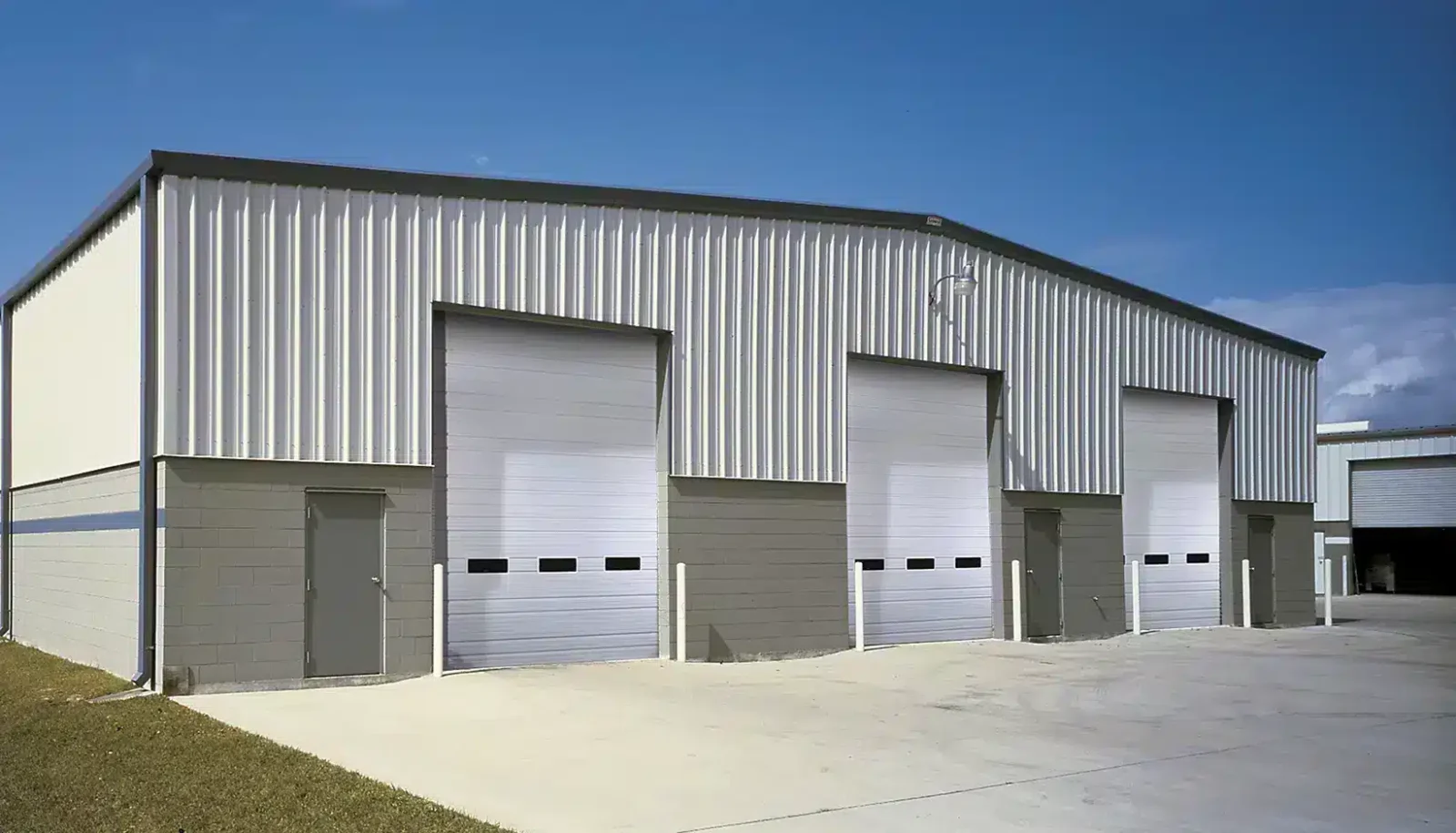
- Sectional overhead steel doors: Panels usually run from 1-3/8 inches up to 3 inches thick. Thicker panels hold more insulation and offer a higher R-value.
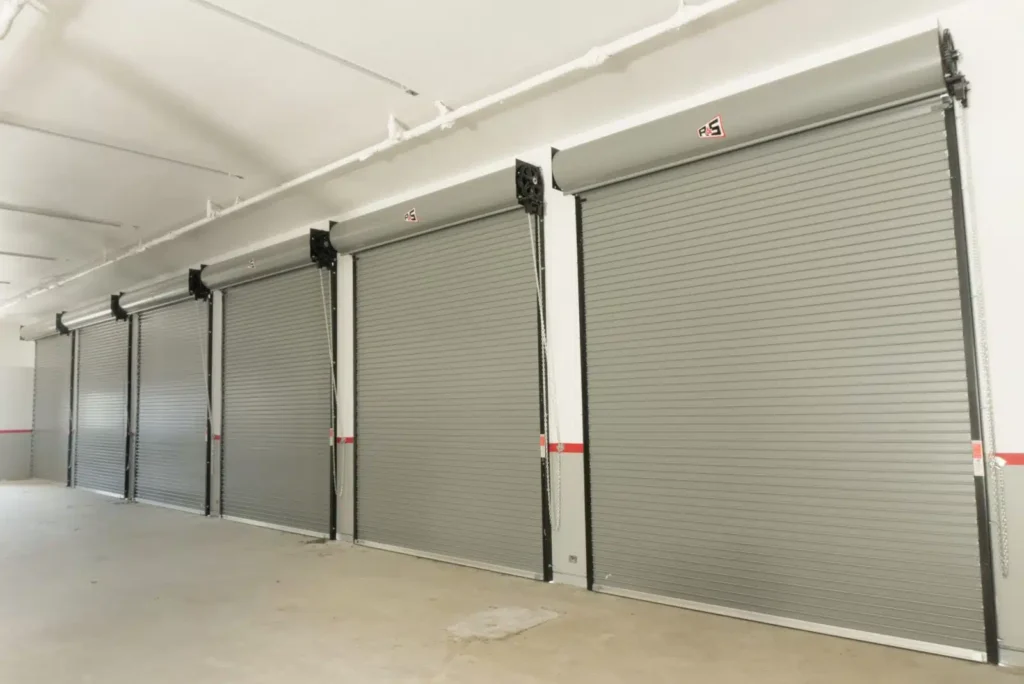
- Rolling steel doors: These use interlocking slats instead of one solid slab. Slat gauge controls the strength here.
This is why a single number never tells the full story. When picking commercial door thickness, the door type matters as much as the steel gauge itself.
To learn how safety codes change these numbers, take a look at “How Thick Are Commercial Doors When Fire-Rated?“ for the full picture.
Standard Commercial Door Sizes and Dimensions You Should Know
Thickness is only one part of the picture. Commercial door sizes also cover width and height, and these numbers help a building stay up to code.
For standard swing entry doors, the most common standard commercial door size is 36 inches wide by 84 inches tall. Many older buildings use 80 inches tall instead. Widths can range from 30 inches to 48 inches depending on traffic and accessibility rules.
For overhead commercial doors, the dimensions are much larger. Common commercial door sizes include 8 by 8 feet, 10 by 10 feet, and 12 by 12 feet, with custom options for loading docks and warehouses.
Knowing the correct commercial door dimensions before any project saves time and money. A door that does not match the rough opening will not seal well, and poor sealing leads to higher energy bills. Getting the standard commercial door size right from the start also keeps the building compliant with local rules in Pflugerville, TX.
Why Commercial Door Thickness Matters So Much in Pflugerville, TX
Central Texas weather is hard on doors. Summers bring long stretches of heat, and storms can bring sudden wind and rain. Commercial door thickness plays a big role in how a door handles all of that.
A thicker, well-insulated steel door keeps cool air inside during summer, which lowers energy costs. A thinner door with a weak core lets heat pour in. Over a full Pflugerville summer, that difference adds up fast.
Security is the other big factor. A thicker steel skin and a solid core make a door harder to force open. For shops, clinics, and storage buildings, that peace of mind is worth a lot. This is why local owners ask about commercial door thickness before nearly every commercial door replacement.
Factors That Decide How Thick Your Door Should Be
Choosing the right commercial door thickness is not guesswork. A few clear factors guide the decision.
- Traffic level: High-traffic doors need lower gauge steel to survive constant use.
- Security needs: Banks, pharmacies, and storage sites lean toward thicker, stronger doors.
- Insulation goals: Buildings that need energy savings benefit from thicker insulated panels.
- Fire safety: A fire-rated door must meet code and may require a specific build.
- Weather exposure: Doors facing the open Texas sun and wind need extra durability.
Matching these factors to the right commercial door dimensions and gauge is where experience really pays off. A trained eye can spot the right balance between cost and performance.
Warning Signs Your Commercial Door Thickness Is Wrong for the Job
Sometimes a building already has the wrong door. Here are signs that the current commercial door thickness does not fit the job.
- The door dents easily or shows damage from normal use.
- Energy bills climb even though the heating and cooling system works fine.
- Drafts slip through the edges, or the door feels hot to the touch in summer.
- The door rattles, sags, or no longer closes tightly.
- The lock area feels weak or has been forced before.
If two or more of these show up, the door may be too thin for its role. That is often the moment a commercial door replacement starts to make sense. Spotting these signs early prevents bigger repair bills down the road.
What to Check Before a Commercial Door Replacement
Before starting any commercial door replacement, a quick check helps avoid surprises. Walk through this short list.
- Measure the rough opening. Confirm the real commercial door dimensions, not just a guess.
- Note the current gauge and slab thickness. This shows what the building was built to handle.
- Check the frame. A worn frame may need attention before the new door goes in.
- Review local code. Pflugerville, TX has rules for fire ratings and accessibility.
- Think about insulation. Decide if a higher R-value would lower energy costs.
Doing this homework makes the standard commercial door size choice clearer. It also helps a contractor give an accurate average cost instead of a rough guess. The average cost of a commercial door replacement varies widely based on size, gauge, and insulation, so accurate measurements matter.
Tips to Avoid Common Commercial Door Thickness Mistakes
A few simple habits keep most thickness problems from ever happening. These tips come straight from years of fieldwork in central Texas.
- Do not pick a door by price alone. A thin door costs less today but fails sooner.
- Match the gauge to the traffic. Busy doors need thicker steel, plain and simple.
- Confirm the standard commercial door size before ordering. A wrong size wastes time and money.
- Ask about the core material. A polyurethane core adds insulation and strength.
- Keep records. Write down the commercial door thickness and gauge for future repairs.
Following these tips protects the investment and keeps the building comfortable. Smart planning around commercial door sizes today prevents headaches later. These small steps also make a future commercial door installation smoother and faster.
When to Call a Pro for Commercial Door Installation
Some jobs are fine for a handy owner, but commercial door installation usually is not one of them. Steel doors are heavy, and they must hang straight to seal and lock the right way.
A licensed Pflugerville technician brings the tools and training to handle the weight safely. A pro also makes sure the commercial door dimensions match the opening and that the fire rating and code rules are met. A poor install can void a warranty and shorten the life of the door.
Call a professional when the door is fire-rated, when the frame is damaged, or when the door is large or heavy. For most commercial properties, expert commercial door installation is the safest path. The average cost of professional installation is usually money well spent because it prevents bigger problems and keeps the door working for years.
Choosing the Right Commercial Door Thickness in Pflugerville, TX
So, how thick are commercial doors made of steel? The steel skin runs from 20 gauge down to 14 gauge, and the slab is usually 1-3/4 inches thick. The right commercial door thickness depends on traffic, security, weather, and code. This holds true for swing doors, rolling doors, and roll up curtain doors alike, since each style handles thickness in its own way. Getting the commercial door sizes and standard commercial door thickness right keeps any Pflugerville building safe, sealed, and ready for the long Texas summer. When in doubt, a local expert can confirm the best fit and handle the commercial door installation the right way.
Trusted Local Help for Your Commercial Door Needs

R&S Overhead Garage Door of Texas, Inc. has earned a strong reputation across Pflugerville, TX for honest advice, quality workmanship, and friendly service. Our team takes the guesswork out of commercial door thickness, sizes, and installation, helping each building owner pick the right door for security, energy savings, and the long Texas summer. With years of hands-on experience and a focus on doing the job right the first time, we are the local name property owners trust. Contact us today or give us a call to get expert guidance and a free, no-pressure estimate.