
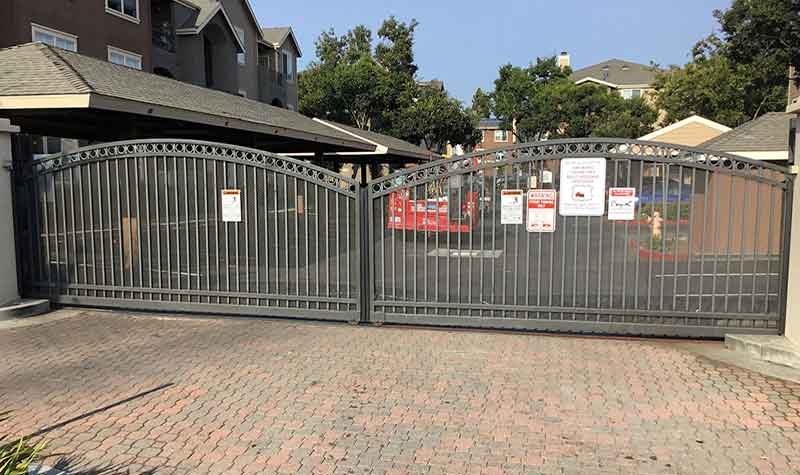
Pflugerville is growing fast. New neighborhoods are popping up off FM 685, Wells Branch Parkway, and Cele Road almost every year. With that growth comes busier driveways, more deliveries, more visitors, and a lot more daily wear on residential gate systems. One question keeps coming up from homeowners across the area: Can an automatic swing gate actually hold up to heavy daily traffic?
The honest answer is yes, but only under the right conditions. Some gate systems run strong for 15 to 20 years. Others start breaking down in less than two years. The difference almost always comes down to equipment sizing, installation quality, and maintenance habits. This guide breaks down exactly what affects performance, what warning signs to watch for, and how to protect the investment.
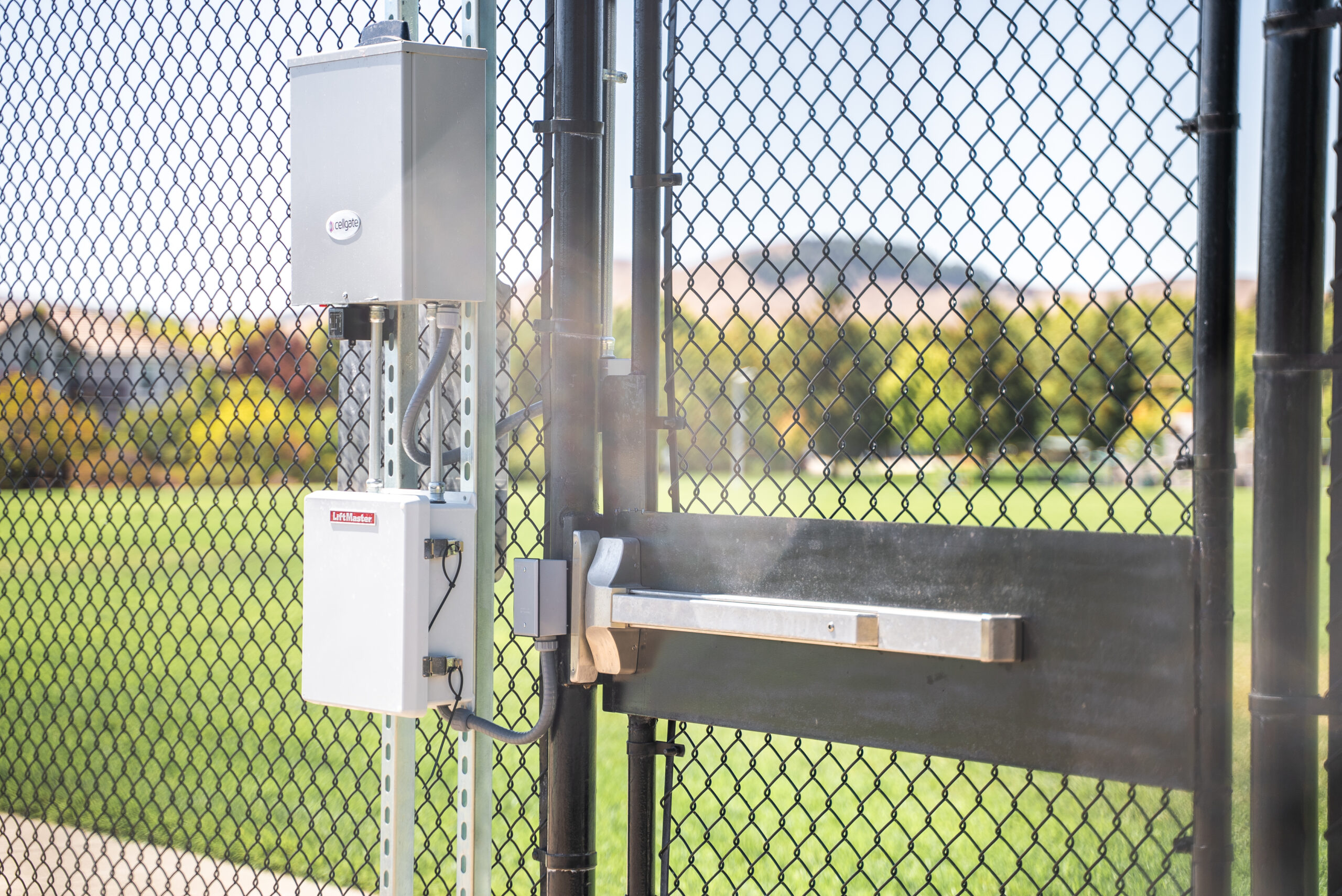
Not All Swing Gate Operators Are Built for Heavy Use
Gate operators are rated by the number of cycles they can handle per day. A standard residential-grade operator handles around 15 to 20 cycles daily. A heavy-duty or commercial-grade unit manages 50 to 100 or more.
Running a 15-cycle-rated motor through 40 cycles a day does not just wear it out faster. It destroys it ahead of schedule and voids most manufacturer warranties.
Before purchasing or replacing any gate system, always ask the installer for the operator’s daily cycle rating. If they cannot provide a straight answer, that is a red flag worth taking seriously.
For a deeper look at what goes on behind the scenes, How Do Automatic Swing Gates Work? is a solid read that breaks down the mechanics in plain terms.
Gate Weight vs. Operator Capacity Is a Common Mistake
Wrought iron gates are popular in Pflugerville because they look great and hold up well to Texas weather. The problem is that wrought iron is heavy. A 12-foot dual swing gate can weigh anywhere from 300 to over 600 pounds per panel.
If the operator is not rated to handle that weight, the motor will fail prematurely regardless of brand.
What to check:
- Verify the operator’s weight capacity in the product manual
- Have the gate panels weighed by a gate professional if unsure
- Maintain at least a 20 to 30 percent buffer between the gate’s actual weight and the operator’s maximum capacity
Pflugerville summers regularly hit 95 to 105 degrees Fahrenheit. Heat causes motors to run harder and hotter, so that extra capacity buffer is not just smart. It is necessary for this climate.
Curious about what actually drives the gate through all that weight and heat? What Powers an Automatic Swing Gate? covers exactly that and is worth checking out before making any purchasing decision.
Hinge Condition Is the Silent Killer of High-Traffic Gates
When a swing gate opens and closes dozens of times a day, every bit of friction at the hinges transfers stress directly to the motor. Worn or misaligned hinges can double or triple the load on the operator, even when the gate looks fine from the outside.
Warning signs the hinges may be the problem:
- The gate moves noticeably more slowly than before
- Grinding or squealing sounds during operation
- Gate stops partway through a cycle
- Bottom of the gate drags or scrapes the ground
Lubricate all hinges and pivot points every three to six months using a proper heavy-duty gate lubricant. Avoid WD-40, as it is a degreaser, not a lubricant, and can strip protective coatings over time.
Hinge replacement on a heavy iron gate requires alignment tools and sometimes welding. A DIY fix here can throw off the entire swing arc and burn out a brand-new motor just as fast as the old one.
If hinge wear and gate stress raise any concerns about daily safety, Are Automatic Swing Gates Safe for Driveways? is a great next step for any Pflugerville homeowner who wants peace of mind.
Power Supply Problems Can Quietly Damage the System
Most swing gate operators run on standard 120V AC power. What many homeowners do not realize is that power inconsistency is a sneaky reason high-traffic systems fail early.
Pflugerville’s rapid growth puts constant pressure on the local grid. Voltage fluctuations, especially during peak summer hours, are more common than expected. More daily cycles mean more power draw, and brownouts during Texas heat waves can corrupt gate programming or damage the control board entirely.
Steps to protect the system:
- Place the gate operator on a dedicated electrical circuit
- Ask a gate technician about adding a surge protector or voltage stabilizer
- Install a battery backup unit, especially heading into the Central Texas storm season
Texas Weather Puts Extra Strain on Pflugerville Gate Systems
Pflugerville weather does not stay predictable. Scorching summers, hailstorms, flash flooding, and the occasional ice event all take a real toll on gate hardware.
- Extreme heat causes metal expansion that can warp frames and knock the swing arc out of alignment
- Rain and humidity accelerate rust on hinges and mounting hardware
- Ice can lock hinges and mechanical components, forcing the operator to overwork to break free
- High winds can slam an open gate panel mid-swing, stressing both the arm and the motor
Apply rust-inhibiting sealant annually, check drainage around the gate pad after heavy rain, and schedule a professional inspection every spring before summer heat sets in.
What Counts as Heavy Traffic for a Swing Gate?
Traffic Level | Daily Cycles | Recommended Operator |
Light (1 to 2 vehicles) | 10 to 20 | Standard Residential |
Moderate (family of 4 to 5, regular deliveries) | 20 to 40 | Heavy-Duty Residential |
Heavy (multi-vehicle, frequent visitors) | 40 to 80+ | Commercial-Grade |
Most active Pflugerville households fall in the moderate to heavy range. If a gate cycles more than 25 times per day, stepping up to a heavy-duty or commercial-grade operator is the right move. The cost difference between operator classes is far less than replacing a burned-out motor ahead of schedule.
Most Common Damage Points in High-Cycle Swing Gates
- Motor Burnout – Too many cycles on an undersized motor creates heat buildup in the motor windings. A slowdown in gate speed is usually the first sign of total failure.
- Arm and Bracket Fatigue – The mechanical arm connecting the motor to the gate can bend, crack, or strip at connection points, especially when the gate repeatedly hits an obstruction.
- Control Board Failure – Heat exposure, electrical spikes, and repeated power draw can damage the logic board, often showing up as erratic gate behavior like random opening or failure to respond to remotes.
- Limit Switch Drift – These switches tell the gate when to stop. High-frequency use causes them to drift out of calibration, leading to a gate that over-travels and slams into the stop repeatedly.
- Safety Sensor Issues – Heavy use and weather exposure can knock sensors out of alignment, creating both a safety hazard and an operational problem.
Maintenance Checklist for High-Traffic Gates in Pflugerville
Monthly:
- [ ] Listen for unusual sounds during a full open and close cycle
- [ ] Check gate alignment and confirm it latches correctly
- [ ] Test the safety reverse function
- [ ] Clear debris from the gate path and sensor lenses
Every 3 to 6 Months:
- [ ] Lubricate all hinges, pivot points, and the arm joint
- [ ] Inspect electrical connections for corrosion or loose terminals
- [ ] Test the battery backup if one is installed
- [ ] Spot-check for rust and touch up sealant as needed
Annually:
- [ ] Schedule a professional inspection and tune-up
- [ ] Have limit switches recalibrated if needed
- [ ] Inspect gate posts and footings for shifting (Central Texas clay soil moves seasonally)

When to Call a Gate Professional in Pflugerville, TX
Some maintenance is homeowner-friendly. But these situations require a licensed gate technician:
- The gate moves slowly and does not improve after lubrication
- Grinding, clunking, or popping sounds during operation
- The gate opens or closes without a command being sent
- The gate fails to latch or leaves a consistent gap when closed
- Erratic behavior following a storm
- The remote or keypad range has dropped noticeably
- Gate posts are leaning, cracking, or visibly shifting
Catching a small mechanical issue early almost always costs less than a full operator replacement, and it keeps the property secure in the meantime.
The Right Gate Setup Makes All the Difference
Automatic swing gates are absolutely capable of handling heavy daily traffic in Pflugerville. The gate industry has heavy-duty and commercial-grade systems built exactly for that purpose. But the equipment has to match the demand.
An undersized operator on a heavy iron gate in a high-cycle household is not going to last. The same gate with the right operator, proper hinges, power protection, and consistent maintenance can run reliably for well over a decade. This is true whether the setup is a traditional swing style or a tilt gate configuration.
When a gate starts struggling, the problem is rarely unfixable. Most of the time, it comes down to an undersized component, a maintenance gap, or weather-related wear, and all three are solvable with the right professional help.
Work With a Local Team That Knows Gates Inside and Out
Pflugerville homeowners do not have to figure this out alone. R&S Overhead Garage Door of Texas, Inc. has been serving the local community with dependable gate and garage door solutions built for Central Texas conditions. From choosing the right operator to routine maintenance and professional repairs, our team delivers honest assessments and quality work that lasts. Contact us today or give us a call to schedule an inspection and keep the gate running strong.