
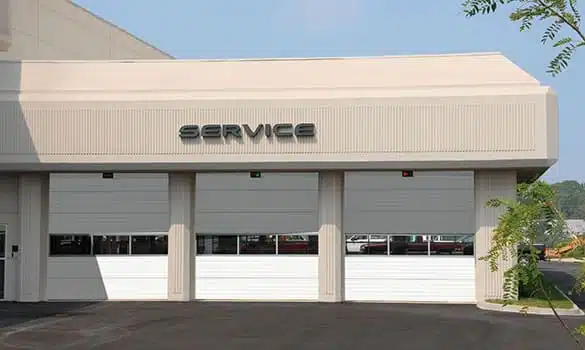
Anyone who has walked into a garage in the middle of a Pflugerville summer knows the feeling. The air hits like a wall of heat, temperatures soar well past 100 degrees and that wave of hot air pushes straight into the rest of the house every time the door to the kitchen opens. On the flip side, those rare but brutal Texas cold snaps, like the kind Central Texas experienced during Winter Storm Uri, can turn an unprotected garage into a freezer that drains warmth from every room connected to it.
A sectional overhead door is one of the most practical upgrades a homeowner can make to address this problem. Unlike older one-piece tilt-up doors or basic roll-up models, a sectional overhead door is built from individual horizontal panels that travel along vertical tracks and curve into the ceiling. This design allows for tighter seals, better insulation options and a more controlled thermal barrier between the garage and the outside environment.
Garage door professionals who have installed and serviced hundreds of these doors across Pflugerville and the greater Austin area consistently see measurable improvements in energy efficiency when homeowners switch to a quality sectional overhead door. The difference is not just about comfort. It shows up on energy bills, especially during the long stretch of triple-digit summer days that Pflugerville residents know all too well.
Quick Summary
Sectional overhead doors improve energy efficiency through insulated panels with high R-values, tight panel-to-panel joints that block air leaks, perimeter weatherstripping that seals gaps, thermal breaks that stop heat transfer through the frame, professional installation that eliminates fit issues, reflective finishes that deflect solar heat and compatibility with add-on efficiency upgrades. For Pflugerville homeowners dealing with extreme summer heat, these features combine to create a thermal barrier that keeps conditioned air inside and hot air outside.
Want to learn more beyond energy savings? Check out “What Are the Benefits of Sectional Overhead Doors?“ for a full breakdown of why this door style is a top choice for homeowners.
What Is a Sectional Overhead Door?
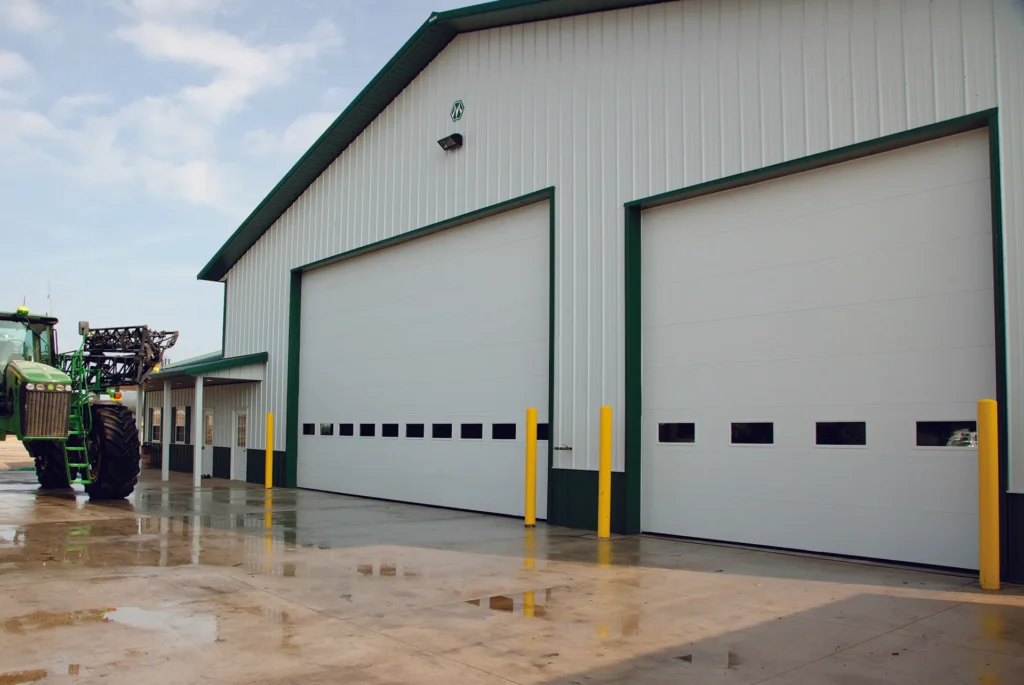
A sectional overhead door is made up of several horizontal panels, usually four or five, that are hinged together. When the door opens, the panels roll upward along tracks mounted on each side of the garage opening and tuck horizontally against the ceiling. A system of springs and cables does the heavy lifting.
These doors come in a range of materials including steel, aluminum and wood composite. The material matters because it directly affects insulation potential, durability and thermal performance. Steel doors with foam insulation cores are by far the most popular choice for energy efficiency.
Most homes built in Pflugerville’s newer subdivisions, including communities like Blackhawk, Avalon and Wells Branch, come equipped with sectional overhead doors as standard. However, not all sectional doors are created equal when it comes to energy performance. The difference comes down to insulation, seals and installation quality.
Sectional overhead doors are not just for residential properties. Read “Are Sectional Overhead Doors Safe for Commercial Use?“ to find out how these doors perform in business and industrial settings.
Insulated Panels Reduce Heat Transfer
The single biggest energy efficiency advantage of a sectional overhead door is the insulation built into each panel. High-quality sectional doors use either polyurethane or polystyrene insulation injected or placed between the inner and outer layers of the panel. Polyurethane is the denser, more effective option because it bonds directly to the steel skins and provides a higher insulating value per inch of thickness.
Insulation effectiveness is measured by R-value, which indicates how well a material resists heat flow. The higher the R-value, the better the insulation. For the Pflugerville climate, where summer temperatures regularly push past 100 degrees Fahrenheit, an R-value between R-12 and R-18 is a solid range for most residential garage doors. A door with an R-16 or higher is ideal for garages that share a wall with living spaces.
Without insulation, a garage door becomes a massive slab of heat-conducting metal. On a hot July afternoon, the surface temperature of an uninsulated steel door can exceed 150 degrees. That heat radiates into the garage and, from there, into the rest of the home, forcing the HVAC system to work overtime.
Tip: Check the R-value rating before purchasing any sectional door. Not all sectional doors come insulated. Some economy models use single-layer steel with zero insulation. Feeling the inside surface of the current garage door on a hot afternoon is a quick way to gauge how much heat is getting through. If it is hot to the touch, that door is costing money on every energy bill.
Curious about what keeps these doors performing year after year? Read “What Makes Sectional Overhead Doors So Durable?“ to learn how their construction stands up to daily wear and harsh weather.
Tight Panel Joints Minimize Air Leaks
One of the design advantages specific to sectional doors is how the panels connect to each other. Most quality sectional overhead doors use tongue-and-groove or overlapping joints between panels. When the door is closed, these joints create a snug fit that significantly reduces air infiltration compared to one-piece doors, which tend to have looser seams and more flex in the material.
Air leaks are one of the most overlooked sources of energy loss in a garage. Even small gaps between panels allow conditioned air to escape and outside air to flood in. In Pflugerville, this means hot, humid air in the summer and cold air during winter cold fronts. Less air infiltration means the HVAC system connected to the home does not have to work as hard to maintain a comfortable indoor temperature.
As an added bonus, tighter panel joints also help keep out allergens. Pflugerville is right in the heart of Central Texas cedar country and during cedar fever season in the winter and early spring, a well-sealed garage door makes a noticeable difference for homeowners who use their garage as a secondary entry point.
Tip: Run a hand along the seams between panels while the door is closed. If there is a noticeable draft, the joints may need new seals or the panels could be slightly misaligned. A garage door technician can assess and correct panel alignment without replacing the entire door.
Bottom and Side Weatherstripping Seals the Gaps
Even the best-insulated sectional door will underperform if the gaps around its edges are not sealed. That is where weatherstripping comes in. A complete weatherstripping system on a sectional overhead door includes three components: the bottom seal (also called an astragal), the side seals that run along both vertical edges and the header seal across the top.
Sectional overhead doors are specifically designed to work well with perimeter weatherstripping because of their track-guided movement. The door closes flush and straight every time, which allows the weatherstripping to maintain consistent contact. Older one-piece doors often warp or shift over time, creating uneven gaps that weatherstripping cannot fully address.
In Pflugerville, weatherstripping does double duty. Beyond blocking air exchange, it also keeps out heavy spring rain, wind-driven dust and insects. A properly sealed garage is cleaner, more comfortable and far more energy efficient.
Tip: Inspect garage door weatherstripping at least once a year. Texas heat degrades rubber and vinyl much faster than cooler climates. If the weatherstripping is cracked, brittle, compressed flat, or pulling away from the frame, it is time for a replacement.
Thermal Breaks Prevent Heat Conductivity Through the Frame
Insulated panels are only part of the equation. Metal is an excellent conductor of heat, which means that even with foam-filled panels, heat can still travel through the steel or aluminum framework of the door itself. This is known as thermal bridging and it quietly undermines the effectiveness of the insulation.
A thermal break is a layer of non-conductive material placed between the interior and exterior metal surfaces of the door. It interrupts the path that heat would normally travel through the frame. High-quality sectional overhead doors include thermal breaks as a standard feature, but many mid-range and budget models skip this step entirely.
Tip: When shopping for a new sectional overhead door, ask the supplier or installer specifically about thermal breaks. This is one of those features that separates a truly energy-efficient door from one that simply looks the part. If a manufacturer does not mention thermal breaks in the product specifications, it likely does not include them.
Professional Installation Eliminates Gaps and Fit Issues
A sectional overhead door is only as energy efficient as its installation. Even the highest-rated insulated door will fail to perform if it is not properly measured, aligned and fitted to the garage opening. Gaps as small as half an inch along the sides, top, or bottom of the door can allow a surprising amount of air exchange, enough to noticeably affect the temperature inside the garage and the adjacent rooms.
Professional installation ensures that the door fits the exact dimensions of the opening, that the tracks are properly aligned, that the weatherstripping makes full contact all the way around and that the door closes evenly without gaps or binding. A skilled installer also checks the balance of the springs and the alignment of the tracks, both of which affect how flush the door sits when closed.
Homes in Pflugerville vary significantly in garage dimensions. Older homes near Pecan Street have different framing and openings compared to new construction in communities like Legends Village or Highland Park. A professional measure-and-install ensures the door matches the exact opening, regardless of the home’s age or design.
What to check: Look for visible daylight around the edges of the garage door when it is closed. Even thin lines of light along the sides or top indicate gaps where air is escaping. If the current door was not professionally measured and installed, a garage door technician can assess the fit and recommend adjustments or corrections that restore the seal.
Reflective Finishes and Light-Colored Doors Deflect Solar Heat
Color and surface finish may seem like purely cosmetic choices, but they have a real impact on energy efficiency, especially in a climate like Pflugerville’s. A dark-colored garage door absorbs significantly more solar radiation than a lighter one. On a south- or west-facing garage, that extra absorbed heat radiates into the garage space and raises the ambient temperature by several degrees.
Light-colored sectional doors and those with reflective coatings bounce more of the sun’s energy away before it can be absorbed. This is particularly impactful for west-facing garages in Pflugerville, which take the brunt of direct afternoon sun from May through September.
Tip: If the garage faces south or west, choosing a lighter color or a reflective-finish door during the buying process is a simple decision that pays off every summer. It is one of the easiest and most overlooked ways to reduce solar heat gain on the largest single surface of most home exteriors.
Sectional Doors Support Add-On Efficiency Upgrades
Another practical advantage of sectional overhead doors is their compatibility with a wide range of add-on energy efficiency upgrades. Because of their modular panel design and standardized track systems, these doors work well with aftermarket insulation kits, which can boost the R-value of an existing door that was not originally insulated or was only lightly insulated.
Sectional doors are also compatible with smart garage door openers that send alerts when the door has been left open, a common source of energy waste that many homeowners do not think about. A garage door left open for even 20 minutes on a hot afternoon can undo hours of cooling effort from the HVAC system.
For Pflugerville homeowners who use their garage as a workshop, home gym, or hobby space, a well-sealed and insulated sectional door makes it practical to add climate control to the garage itself, whether through a portable unit or a mini-split system. Trying to condition a garage with a leaky, uninsulated door is the equivalent of running the air conditioner with a window wide open.
Tip: Before investing in a heater, fan, or mini-split for the garage, make sure the door is properly insulated and sealed first. Starting with the door ensures that any climate control investment actually delivers results instead of wasting energy.
Signs the Current Garage Door Is Costing Energy

Not sure whether the existing garage door is contributing to higher energy bills? Here are the most common warning signs that garage door professionals encounter during inspections in the Pflugerville area:
- The garage feels noticeably hotter in summer or colder in winter than the rest of the house
- Energy bills spike during extreme weather months with no other explanation
- Visible daylight is showing around the edges of the closed door
- Weatherstripping is cracked, missing, or compressed flat
- The door is single-layer, uninsulated metal
- The door does not close flush or sits unevenly in the frame
In the experience of technicians working across Pflugerville, most energy complaints related to garages trace back to one or more of these issues. The good news is that many of them are fixable without a full door replacement. Even garages with a specialty application setup, such as workshops or climate-controlled storage spaces, can often be improved with targeted repairs and upgrades.
When to Call a Garage Door Professional
Some energy efficiency issues can be spotted with a simple visual inspection, but others require a trained eye. Misaligned tracks, worn-out torsion springs, structural gaps in the framing, or panels that have shifted over time are all problems that affect how well the door seals when closed. These are not DIY fixes. Attempting to adjust springs or realign tracks without proper training and tools is dangerous and can lead to serious injury.
Energy efficiency depends on the full system working together: the door panels, the insulation, the weatherstripping, the tracks, the springs and the installation quality. Whether it is a standard sectional model or a high speed door used in commercial settings, if any one of these components is compromised, the entire system underperforms.
Homeowners in Pflugerville or the surrounding Austin area who notice any of the warning signs listed above should consider having a garage door professional perform a full inspection. A thorough assessment can identify efficiency problems that are easy and affordable to fix before they continue driving up energy costs month after month.
Why Pflugerville Homeowners Should Consider a Sectional Overhead Door Upgrade
A sectional overhead door is not just a functional component of a home. For Pflugerville homeowners, it is one of the most impactful upgrades available for improving garage energy efficiency and reducing monthly utility costs. From insulated panels and sealed joints to thermal breaks and professional installation, every element of a quality sectional door is designed to create a tighter, more efficient barrier between the garage and the outside environment. Some sectional models also come as a fire rated door, adding an extra layer of safety for garages attached to living spaces.
The Pflugerville climate makes this investment especially worthwhile. Months of extreme heat, occasional hard freezes, heavy spring rains and cedar season allergens all put extra demand on a home’s energy envelope. A well-chosen, properly installed sectional overhead door addresses all of these challenges at once.
For homeowners who are unsure whether the current garage door is up to the task, a professional inspection is the best starting point. A qualified garage door technician can evaluate the door’s insulation, seals, fit and overall condition, then recommend the most cost-effective path to better energy efficiency. It is a small step that often leads to meaningful savings and a more comfortable home year-round.
Your Local Experts for Garage Door Solutions in Pflugerville
R&S Overhead Garage Door of Texas, Inc. has been a trusted name in the Pflugerville and greater Austin area for years, helping homeowners find the right garage door solutions for their homes and budgets. From energy-efficient sectional overhead door installations to routine maintenance and repairs, our team brings hands-on expertise and a commitment to quality that local homeowners count on. Ready to improve garage energy efficiency and start saving on monthly utility bills? Contact us today or give us a call to schedule a free inspection or get a personalized quote.