
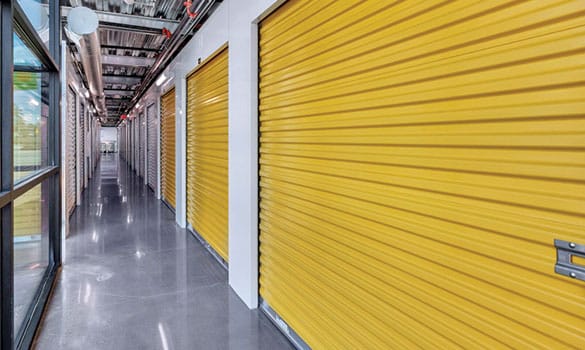
Picture a busy warehouse in Pflugerville, TX. A large sectional overhead door rolls down at the end of a long shift. Employees walk past it every day without giving it a second thought. But every now and then, someone stops and wonders whether that massive door is actually safe.
It is a fair question. Sectional overhead doors are heavy, mechanically operated and constantly in motion throughout the workday. For any business owner or facility manager in the Pflugerville area, understanding the safety of these doors is not just smart but essential.
The short answer is yes, sectional overhead doors are safe for commercial use when they are properly installed, regularly maintained and equipped with modern safety features. This article breaks down exactly what makes these doors safe, what risks to watch for and what every Pflugerville business should know before installing or servicing one.
What Is a Sectional Overhead Door?
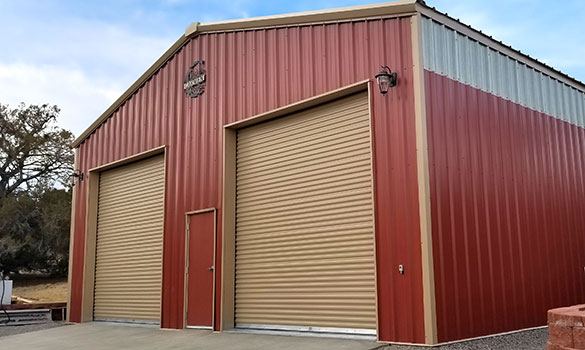
A sectional overhead door is made up of individual panels (usually four to eight) connected by hinges. When the door opens, those panels travel along vertical tracks on either side of the opening, then curve along horizontal tracks near the ceiling. The door can be operated manually, but most commercial applications use a motorized opener for convenience and efficiency.
These doors are found all over Pflugerville and the greater Austin metro area in warehouses, auto repair shops, distribution centers, fire stations, retail loading docks and storage facilities. Their popularity in commercial settings comes down to durability, space efficiency and versatility. Unlike roll-up or sliding doors, sectional overhead doors stack neatly overhead and provide a tight seal against the elements.
To learn more about why so many businesses choose this door style, check out “What Are the Benefits of Sectional Overhead Doors?“
7 Reasons Sectional Overhead Doors Are Safe for Commercial Use
1. Pinch-Resistant Panel Joints Protect Hands and Fingers
One of the most common injuries associated with older overhead doors involved fingers getting caught between panels as the door moved. Modern sectional overhead doors address this with flush or recessed panel joint designs that significantly reduce the risk of pinching.
For commercial properties where employees regularly walk near the door or handle items close to the opening, this feature is critical. A pinch-resistant joint design means that even if someone accidentally places their hand near the panel seam during operation, the risk of a serious injury drops dramatically.
What to check: Look closely at the gaps between panels while the door is in motion. If there are visible wide gaps or the panels appear misaligned, the joints may no longer be providing proper pinch protection. Misalignment tends to develop gradually over time, especially in high-use commercial settings.
Tip: Have a qualified commercial door technician inspect the panel alignment at least once a year. Catching small alignment issues early prevents bigger safety problems later.
Beyond safety, well-aligned panels also play a role in thermal performance. Learn more in “How Do Sectional Overhead Doors Improve Energy Efficiency?“
2. Commercial-Grade Torsion Springs Include Safety Containment
Torsion springs are mounted on a shaft directly above the door opening and they carry an enormous amount of tension. They do the heavy lifting, literally, by counterbalancing the weight of the door so it opens and closes smoothly. When a torsion spring breaks, the force it releases can be dangerous.
That said, commercial-grade sectional doors use torsion spring systems with built-in safety containment. This usually means a steel rod or cable runs through the center of the spring so that if it does snap, the broken pieces stay in place rather than flying across the room.
In Pflugerville, where summer temperatures regularly push past 100 degrees and occasional winter freezes can drop below 30, metal components like springs expand and contract more than in milder climates. This thermal stress accelerates wear and makes regular inspection even more important for Central Texas businesses.
What to check: Listen for unusual noises like squealing, grinding, or popping when the door operates. Watch for the door moving unevenly or appearing heavier on one side. Look at the springs themselves for visible gaps between the coils, which can signal that the spring is losing tension.
Tip: Never attempt to repair or replace torsion springs without professional help. This is one of the most dangerous DIY mistakes a business owner can make. A trained technician has the tools and expertise to handle spring replacement safely and the average cost for this type of service is moderate compared to the risk of doing it without experience.
These heavy-duty spring systems are just one reason sectional doors hold up so well over time. Discover more in “What Makes Sectional Overhead Doors So Durable?“
3. Safety Sensors Prevent the Door from Closing on People or Objects
Motorized commercial sectional doors are required to include photoelectric safety sensors. These sensors project an infrared beam across the bottom of the door opening. If anything breaks that beam while the door is closing, whether it is a person, a forklift, or a stray pallet, the door automatically stops and reverses.
This is one of the most important safety features on any commercial overhead door. Without functioning sensors, a heavy sectional door could close on someone or something and cause serious injury or property damage.
What to check: Test the sensors at least once a month. Place a solid object, like a box or a piece of lumber, in the path of the door while it is closing. If the door does not stop and reverse immediately, the sensors may be misaligned, dirty, or malfunctioning. This requires prompt attention.
Tip: Keep the sensor lenses clean. Dust, cobwebs and pollen (which is especially heavy in Central Texas during spring) can block the infrared beam and cause false readings or complete sensor failure. A quick wipe with a dry cloth once a week can prevent this.
4. Sectional Overhead Doors Meet UL 325 and ANSI Safety Standards
Commercial sectional overhead doors sold in the United States must comply with recognized safety standards. The two most important are UL 325 and the ANSI/DASMA standards.
UL 325 is a safety standard specifically for door, drapery, gate, louver and window operators and systems. It requires commercial door operators to include entrapment protection devices, such as the photoelectric sensors mentioned above, as well as emergency manual release mechanisms. ANSI/DASMA standards, published by the Door and Access Systems Manufacturers Association, cover the structural and performance requirements of the door panels and hardware themselves.
In simple terms, these standards exist to make sure that the door and its operating system have been tested and proven to meet minimum safety requirements before they ever get installed in a building.
What to check: Ask the installer or door provider for documentation confirming UL 325 compliance for the opener and ANSI/DASMA compliance for the door itself. If they cannot produce this documentation, consider it a red flag.
Tip: Only work with commercial door companies that carry proper licensing and insurance and that can verify code compliance in Pflugerville and Travis County. Cutting corners on installation standards is never worth the liability risk.
5. Wind Load Ratings Protect Against Severe Texas Weather
Pflugerville sits in a part of Central Texas that sees its share of strong thunderstorms, occasional hail and high-wind events. When a commercial overhead door is not rated for the wind conditions in the area, it becomes a serious safety hazard. A door that gets blown in or buckles under wind pressure can injure people, damage inventory and compromise the structural integrity of the building.
Wind load ratings are measured in pounds per square foot (PSF) and indicate how much wind pressure a door can withstand. Commercial sectional doors are available in various wind load ratings and selecting the right one depends on the building’s location, its exposure to open terrain and local building code requirements.
What to check: Review the manufacturer spec sheet for the door’s wind load rating. Businesses located along more exposed corridors near SH 130 or I-35, or those in open industrial parks with fewer surrounding structures to break the wind, may need a higher-rated door than a business tucked into a protected commercial strip.
Tip: If the existing door does not have an adequate wind load rating, adding wind bars or reinforcement struts is a cost-effective upgrade. A commercial door technician can assess whether the current door meets local wind code requirements and recommend the most practical solution.
6. Emergency Manual Release Allows Safe Operation During Power Outages
Every motorized commercial sectional overhead door should include an emergency manual release mechanism, typically a red cord or lever mounted near the opener. Pulling this release disconnects the door from the motorized operator, allowing the door to be opened and closed by hand.
Power outages are not uncommon in Pflugerville, particularly during summer storms or periods of heavy grid demand. If a commercial door cannot be manually operated during an outage, it creates both a safety concern and a potential fire code violation. Employees could be trapped inside, or emergency responders could be unable to access the building.
What to check: Test the manual release mechanism every few months. Pull the release and try operating the door by hand. It should disengage smoothly and the door should move up and down with reasonable effort. If the release is stuck, stiff, or difficult to activate, the mechanism likely needs lubrication or repair.
Tip: Make sure all employees who work near the overhead door know how to use the emergency manual release. Post clear, simple instructions near the door opener. In a real emergency, there is no time to search for a manual or figure it out on the spot.
7. Insulated Panels Add Structural Strength and Impact Resistance
Many people think of insulated sectional doors purely in terms of energy efficiency and that is certainly a benefit, especially in Pflugerville where summer heat drives up cooling costs for warehouses and commercial spaces. But insulation also plays a significant role in the door’s overall safety and structural performance.
Insulated panels, whether filled with polyurethane or polystyrene, are significantly more rigid than non-insulated single-layer steel panels. This added rigidity makes the door more resistant to dents, impacts and even attempted forced entry. In a commercial environment where forklifts, delivery vehicles and heavy equipment operate near the door, that extra toughness matters.
What to check: Inspect the door panels regularly for dents, cracks, warping, or bowing. Even minor damage to a panel can compromise the structural integrity of the entire door over time, especially if the insulation core becomes exposed to moisture.
Tip: If a panel is damaged, have it replaced rather than trying to patch or repair it. A compromised panel affects the balance and safety of the entire door system. The average cost of a single panel replacement is far less than the cost of dealing with a full door failure or a workplace injury.
Common Safety Mistakes Pflugerville Business Owners Make
After years of working with commercial doors across the Central Texas area, certain patterns come up again and again. Here are the most common safety mistakes that put businesses and their employees at risk.
- Skipping annual professional inspections. Many business owners assume that if the door opens and closes, everything is fine. But worn springs, fraying cables and misaligned tracks do not always show obvious symptoms until something fails.
- Ignoring unusual noises. Grinding, scraping, popping, or squealing sounds during door operation almost always indicate a mechanical issue. These sounds should never be dismissed as normal wear and tear.
- Letting employees attempt DIY repairs on springs or cables. This is one of the most dangerous mistakes. Torsion springs and lift cables are under extreme tension. Without the proper training, tools and safety precautions, a repair attempt can result in severe injury.
- Not testing safety sensors regularly. Sensors can drift out of alignment or accumulate enough dirt to stop working correctly. A monthly test takes less than a minute and could prevent a serious accident.
- Using residential-grade doors on commercial openings. A residential overhead door is not designed for the cycle count, weight demands, or safety standards required in a commercial setting. Installing one on a business is a liability issue waiting to happen.
Quick Safety Checklist for Commercial Sectional Doors
Use this checklist as a starting point for regular safety evaluations. Whether the door is a standard warehouse entry or part of a specialty application like a climate-controlled storage facility or cleanroom, any item that raises a concern should prompt a call to a licensed commercial door technician.
- Visual inspection of all panels for dents, cracks, or warping
- Safety sensor test (place an object in the door path during closing)
- Torsion spring visual check (look for gaps in coils or signs of rust)
- Manual release test (disengage and operate door by hand)
- Track alignment check (look for gaps between rollers and tracks)
- Weatherseal inspection (check for tears, gaps, or deterioration)
- Opener responsiveness test (door should start and stop without delay)
- Lubrication of hinges, rollers and tracks per manufacturer schedule
- Hardware tightness check (bolts, brackets and mounting hardware)
- Review of last professional inspection date
When to Call a Professional in Pflugerville
Some overhead door issues are beyond the scope of routine maintenance and require a trained technician. Here are clear signals that it is time to pick up the phone.
- If the door does not reverse when an object is placed in its path during closing, the safety sensors or the opener’s reversal mechanism may be compromised. This is an immediate safety concern that should be addressed the same day if possible.
- If the door appears crooked, hangs unevenly, or has come off its tracks, do not attempt to force it back into position. An off-track door can fall unexpectedly and cause serious injury.
- If there are visible signs of spring damage, including broken coils, a gap in the spring, or the door suddenly feeling much heavier than usual, stop using the door and call for service.
- If the motorized opener is unresponsive, operates intermittently, or makes unusual electrical sounds, the issue could range from a simple wiring problem to a failing motor. Either way, it needs professional diagnosis.
Commercial overhead door work is not a weekend DIY project. The weight, tension and mechanical complexity of these systems require trained technicians with the right equipment. This applies to all commercial door types, including high speed door systems, which have additional mechanical and electrical components that demand specialized expertise. For businesses in Pflugerville and the surrounding Austin metro area, working with a locally experienced commercial door company ensures faster response times and familiarity with regional building codes and climate considerations.
Keep Your Pflugerville Business Safe with the Right Commercial Overhead Door
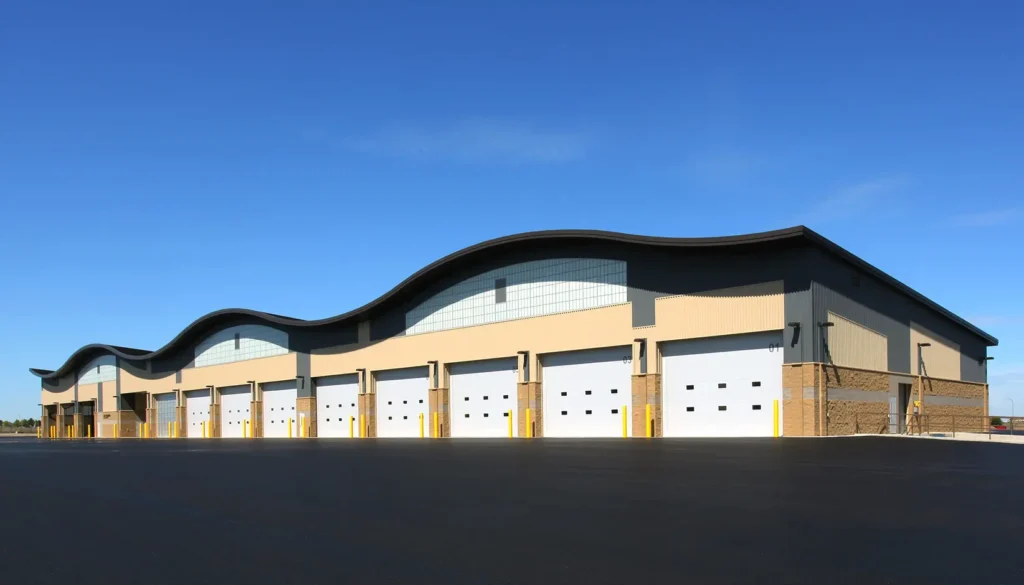
Sectional overhead doors are among the safest and most reliable door systems available for commercial use. From pinch-resistant panel joints and contained torsion springs to photoelectric safety sensors and emergency manual release mechanisms, modern commercial sectional doors are engineered with safety as a top priority. For businesses that require additional protection, fire rated door options are also available in sectional overhead configurations to meet local fire codes and building safety requirements.
But no door is safe if it is neglected. Regular inspections, timely repairs and proper installation are what separate a safe commercial door from a liability. For businesses in Pflugerville, TX, where the climate puts extra demands on mechanical components and where commercial growth continues to bring new warehouses, shops and facilities online, staying on top of overhead door safety is not optional.
The bottom line: invest in quality commercial sectional overhead doors, keep up with maintenance, work with qualified professionals and test safety features regularly. Doing so protects employees, inventory and the business itself.
Need Help with Commercial Overhead Door Safety in Pflugerville?
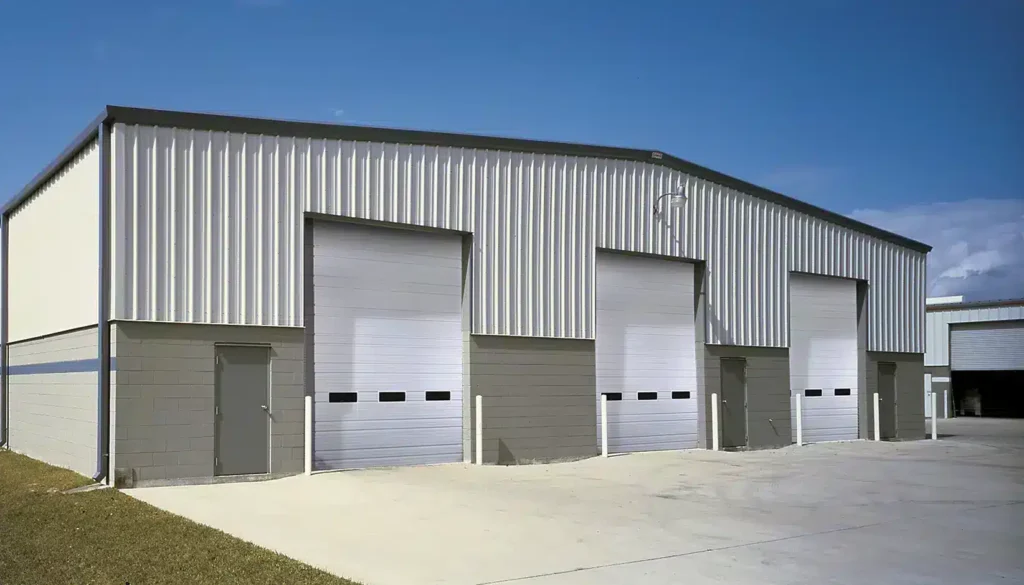
For businesses in Pflugerville and throughout Central Texas, R&S Overhead Garage Door of Texas, Inc. is a trusted name in commercial overhead door installation, maintenance and repair. With years of hands-on experience serving the local community, our team understands the unique demands that the Texas climate and busy commercial environments place on overhead door systems. Whether it is a new installation, a safety inspection, or an emergency repair, we deliver reliable, professional service that keeps businesses running safely. Contact us today or give us a call to schedule a free commercial door safety evaluation and keep your business protected.